Roof replacement cost in the Seattle area is driven by roof size and pitch, the material you choose (asphalt, metal, or tile), how many old layers must be torn off, hidden decking damage, and complex features like skylights, chimneys, and steep or hard-to-access sections. Pacific Northwest rain, moss, and ventilation needs also affect the scope. Request a free estimate for accurate numbers.
What are the biggest factors in roof replacement cost?
Every roof is priced on its own conditions, but a handful of variables account for most of the difference between one home’s estimate and another’s. Understanding them helps you compare bids honestly and avoid surprises.
- Roof size and pitch: Larger roofs need more material and labor, and steeper pitches slow the work and require added safety measures.
- Tear-off and layers: Removing one or more existing layers of roofing adds labor and disposal costs before new material goes on.
- Decking condition: Rotted or delaminated sheathing found during tear-off has to be replaced to create a sound base.
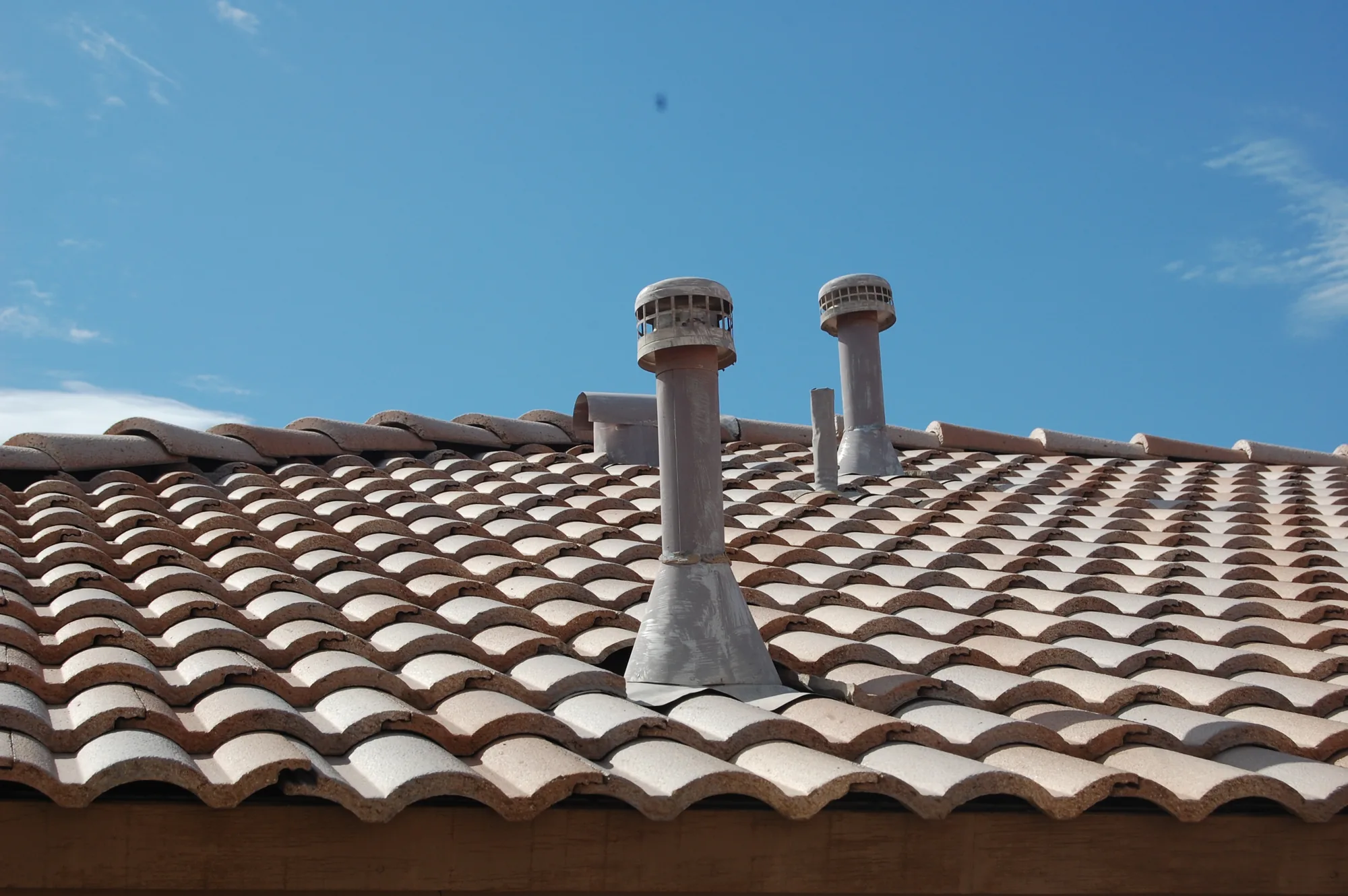
- Penetrations and features: Skylights, chimneys, dormers, and vents each require careful flashing, which adds detail work.
- Accessibility: Multi-story homes, tight lots, and steep driveways make staging and cleanup harder.
Because these combine differently on every house, the most reliable way to budget is a walkthrough with a qualified Bellevue roof installation team who can measure and inspect in person.
How does roofing material affect the price?
Material is often the single largest choice you’ll make. Each option balances upfront cost, lifespan, weight, and appearance differently. The comparison below outlines how the common choices tend to stack up in a wet climate like ours.
| Material | Relative cost | Typical lifespan | PNW notes |
|---|---|---|---|
| Asphalt shingles | Lower | Moderate | Popular and versatile; choose algae-resistant shingles to slow moss. |
| Metal (standing seam) | Higher | Long | Sheds rain and debris well; resists moss and holds up in wind. |
| Tile (concrete or clay) | Higher | Very long | Heavy; the structure must support the load, which can add cost. |
| Cedar shake | Higher | Moderate | Attractive but needs upkeep and treatment against moisture and moss. |
Premium materials cost more upfront but can lower long-term maintenance. The right pick depends on your home’s structure, your neighborhood’s look, and how long you plan to stay.
Why does the Pacific Northwest climate matter?
Roofs in the Seattle area work harder than roofs in drier regions. Persistent rain, damp shade, and organic debris all shape both the design and the cost of a replacement.
- Moss and algae: North-facing and tree-shaded slopes grow moss that holds moisture against the roof. Zinc or copper strips and algae-resistant shingles help.
- Ventilation: Proper intake and exhaust venting prevents trapped moisture and condensation that shorten a roof’s life.
- Underlayment and flashing: Quality water-shedding layers and carefully detailed flashing matter more here than almost anywhere.
A roof is only one part of your home’s weather envelope. If you’re also seeing wear on siding or trim, an exterior renovation contractor can coordinate the work so everything sheds water as a system.
What hidden conditions can change your estimate?
Some costs only surface once the old roof comes off. A thorough contractor accounts for likely conditions in the estimate and explains how change orders are handled if something unexpected appears.
- Decking repair: Soft or rotted sheathing must be replaced for the new roof to seal and fasten properly.
- Flashing replacement: Old, rusted, or improperly installed flashing around chimneys and walls is a common leak source.
- Permits and inspections: Most roof replacements typically require a permit; your contractor should confirm the requirements with your local city.
Homeowners across the Eastside, from Kirkland to Redmond, run into these same variables, which is why an in-person inspection beats any online calculator.
How do you get an accurate roof replacement quote?
The only way to know what your roof will cost is a detailed, itemized estimate from a contractor who has inspected it. A good quote spells out material, tear-off scope, decking allowances, flashing, ventilation, and cleanup so you can compare bids on equal footing.
Be cautious of numbers quoted sight-unseen or bids that seem far below the rest—they often leave out tear-off, decking repair, or proper flashing. To get a clear, no-pressure assessment of your home, call Sky Pro Remodeling at (206) 825-2773 for a free estimate.
Frequently Asked Questions
Does a steeper roof cost more to replace?
Yes. Steeper pitches are slower and less safe to work on, so they require more labor and added fall protection. A steep, complex roofline will generally cost more than a low-slope roof of the same square footage.
Will I need to replace the roof decking too?
Sometimes. Decking is only visible once the old roofing is removed, so damage is often found mid-project. A reputable contractor includes a decking allowance in the estimate and explains how any needed repairs are priced.
Is metal roofing worth the higher cost in the Seattle area?
For many homeowners, yes. Metal sheds our heavy rain, resists moss, and lasts a long time, which can offset the higher upfront price with lower maintenance. Whether it’s right for you depends on your home’s structure and style.
How can I get an accurate price for my roof?
Schedule an in-person inspection. Online calculators can’t see your decking, flashing, or ventilation. Call Sky Pro Remodeling at (206) 825-2773 for a free, detailed estimate based on your actual roof.
Get a Free Estimate from Sky Pro Remodeling
Serving Bellevue, the Eastside, and greater Seattle. Tell us about your project and we’ll help you plan the next step.