Concrete is the one part of a remodel that has to get along with the ground underneath it. We pour driveways, patios, walkways, steps, slabs and footings across Bellevue and the Eastside, with the base preparation and drainage saturated Northwest soil demands.
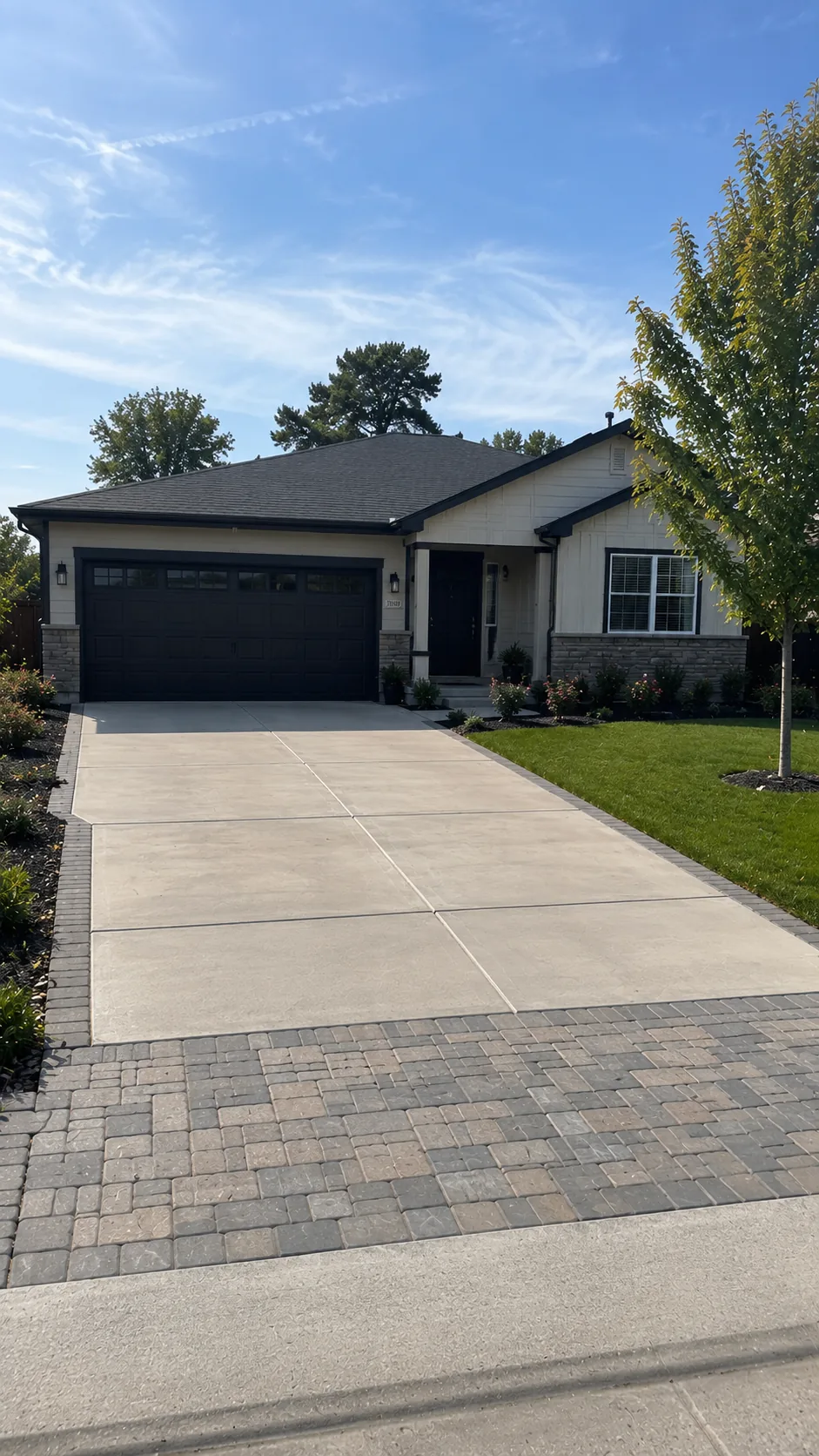
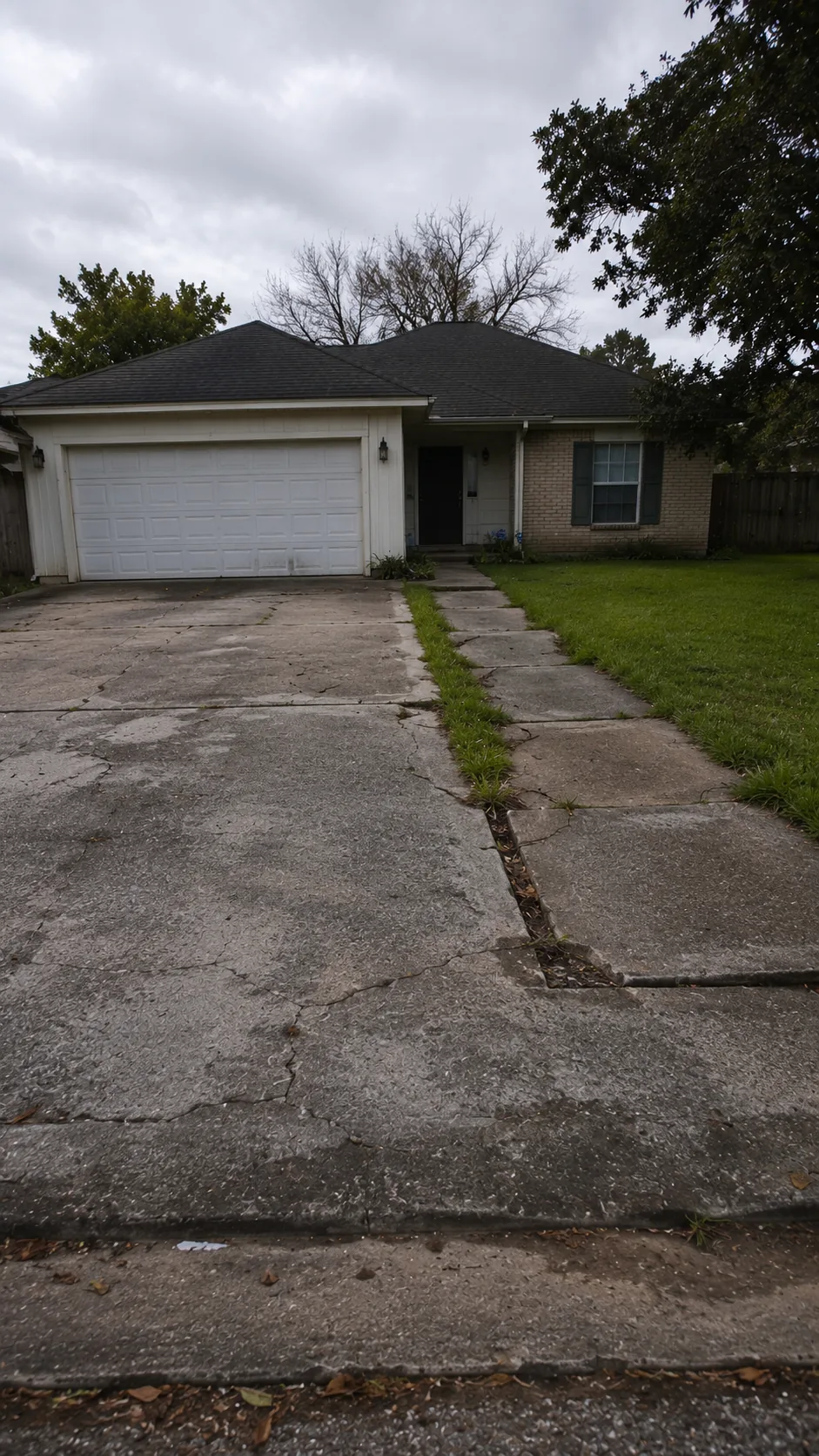
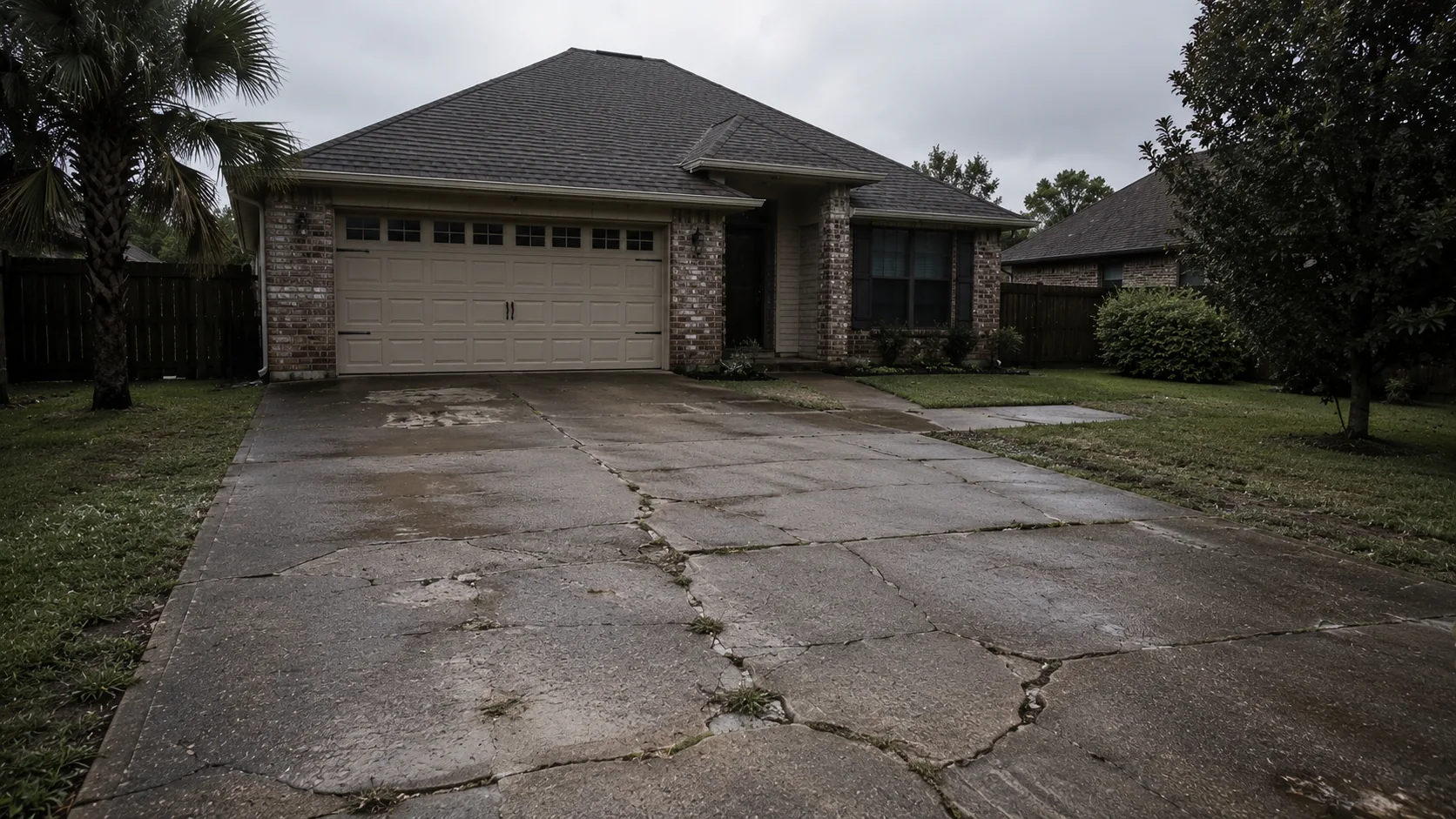
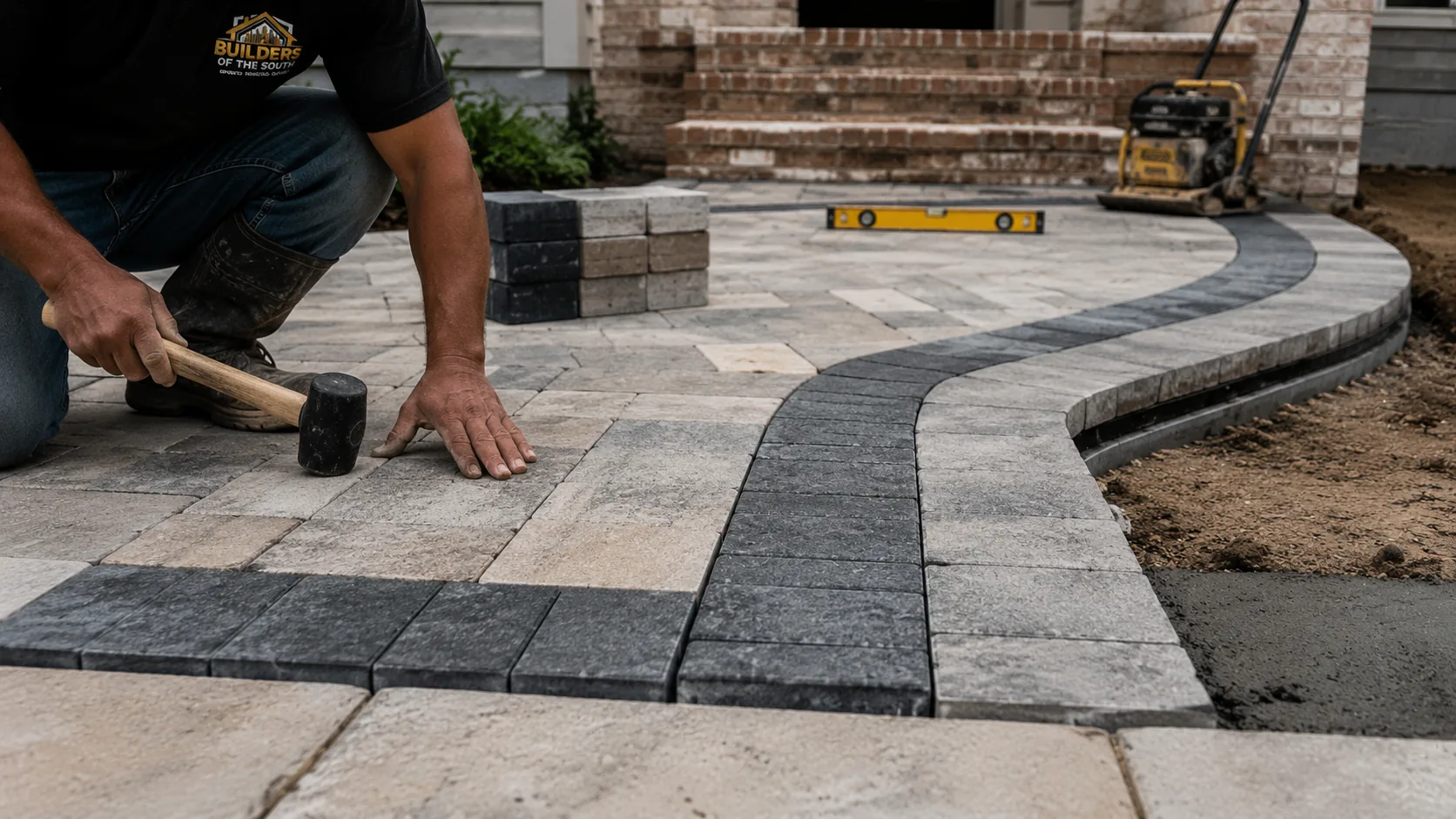
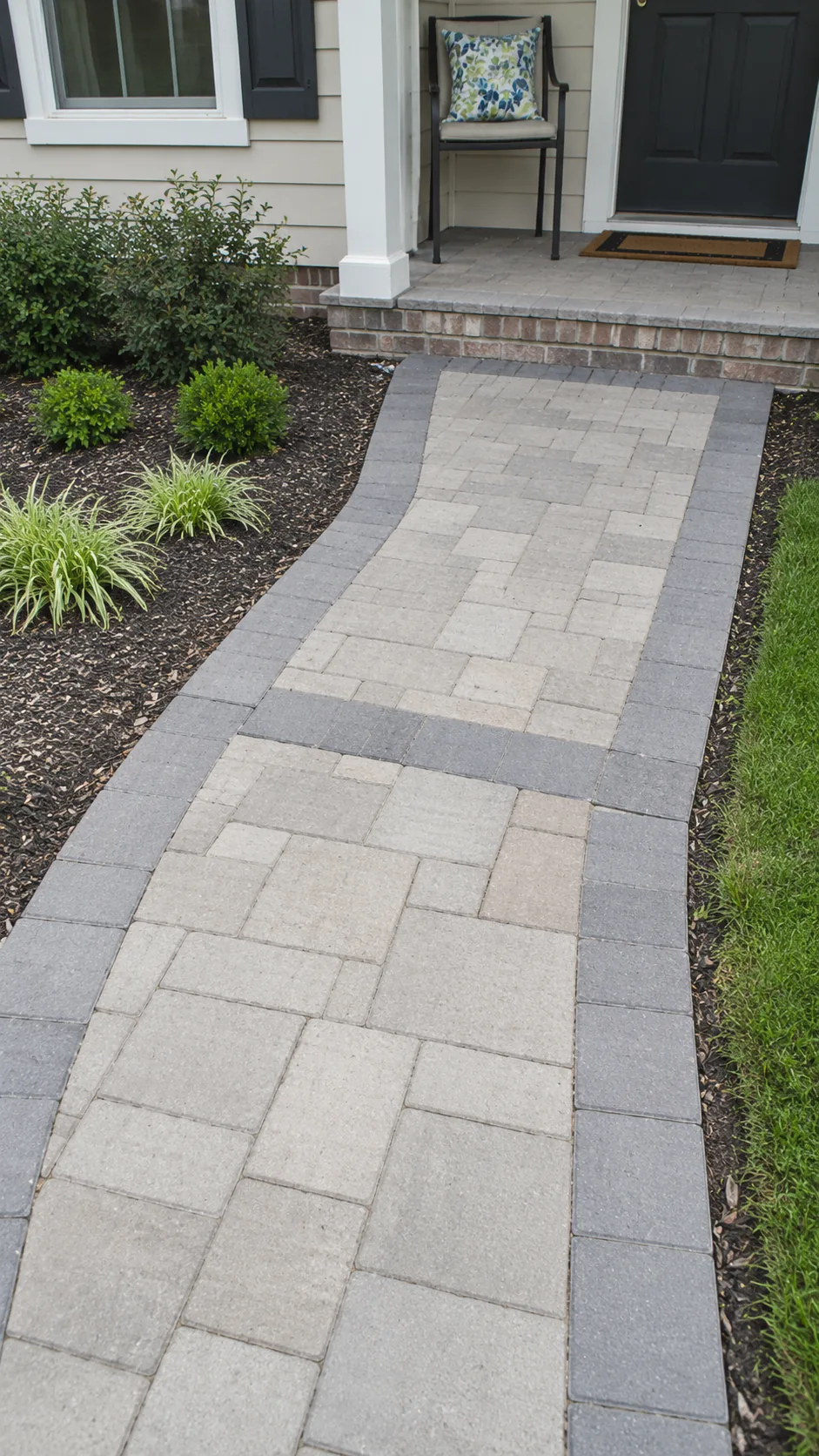
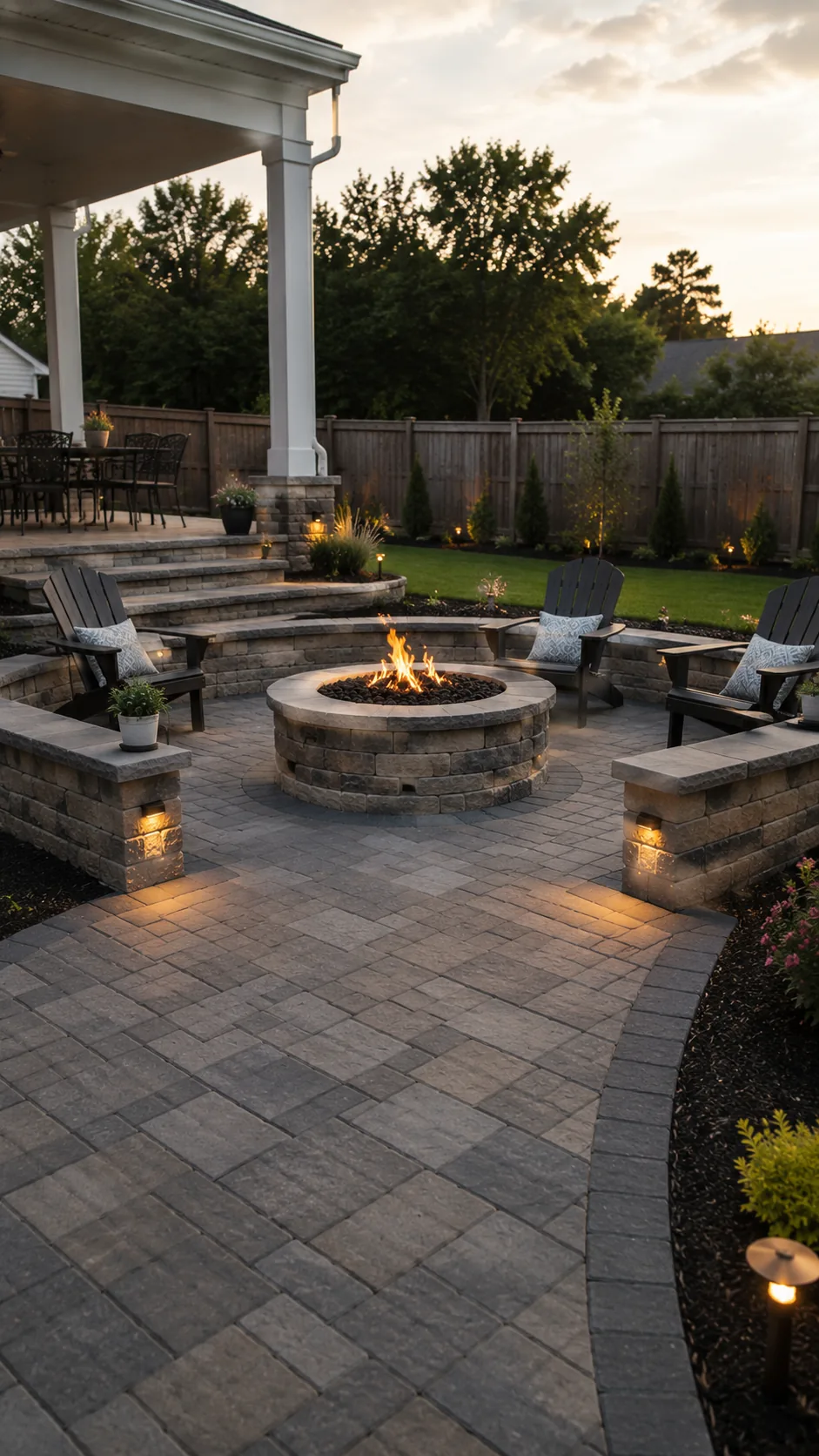
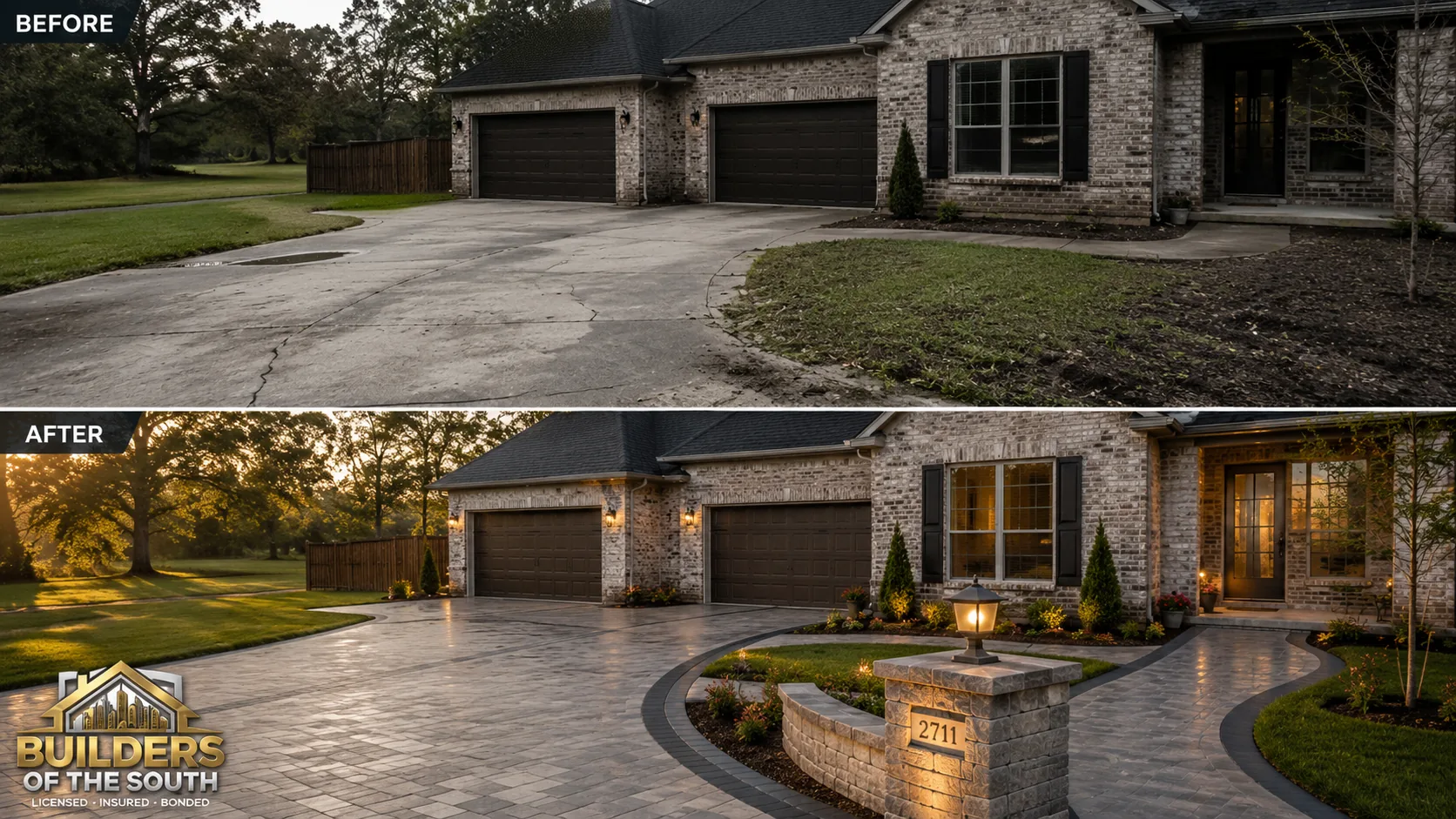
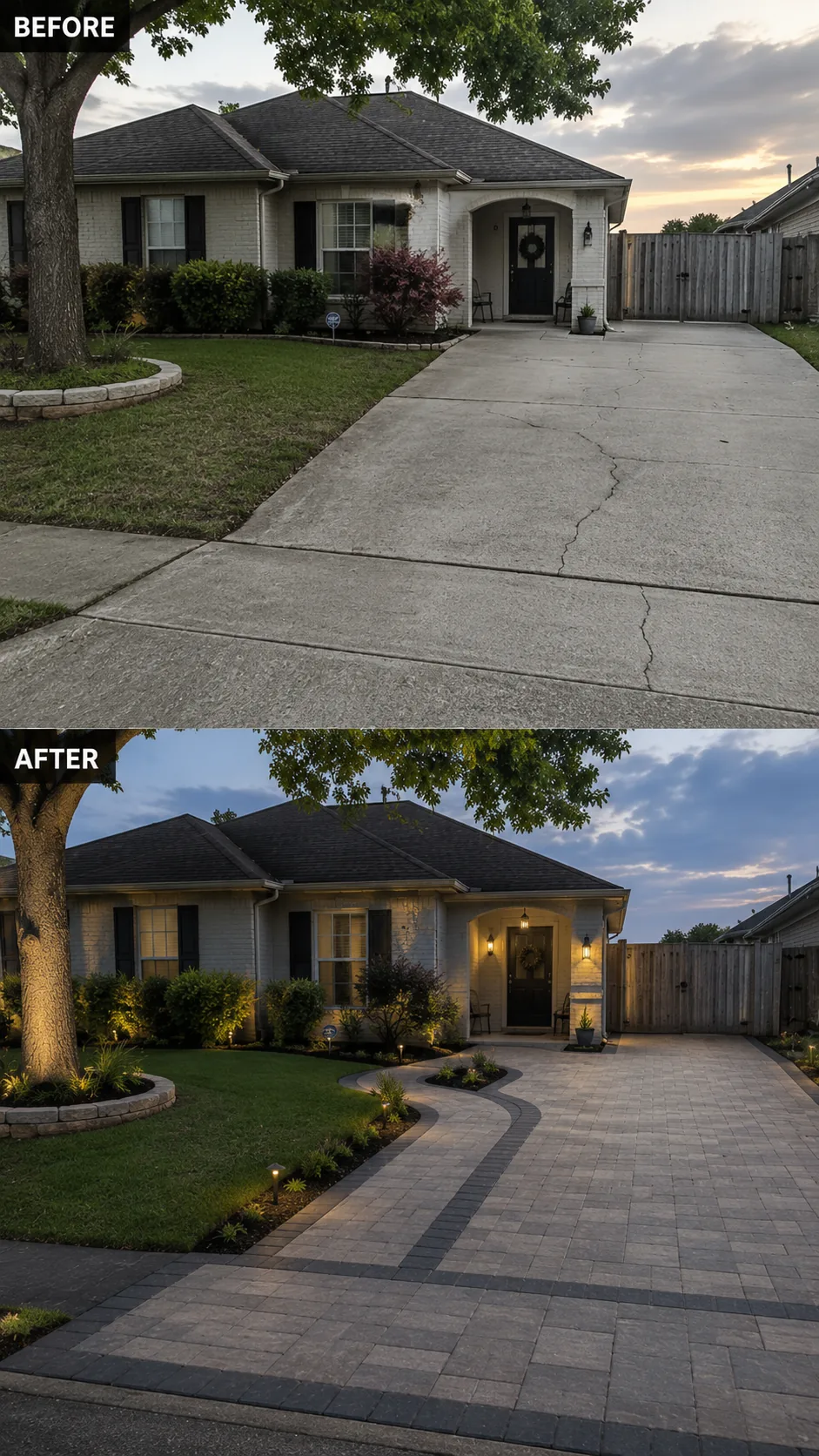
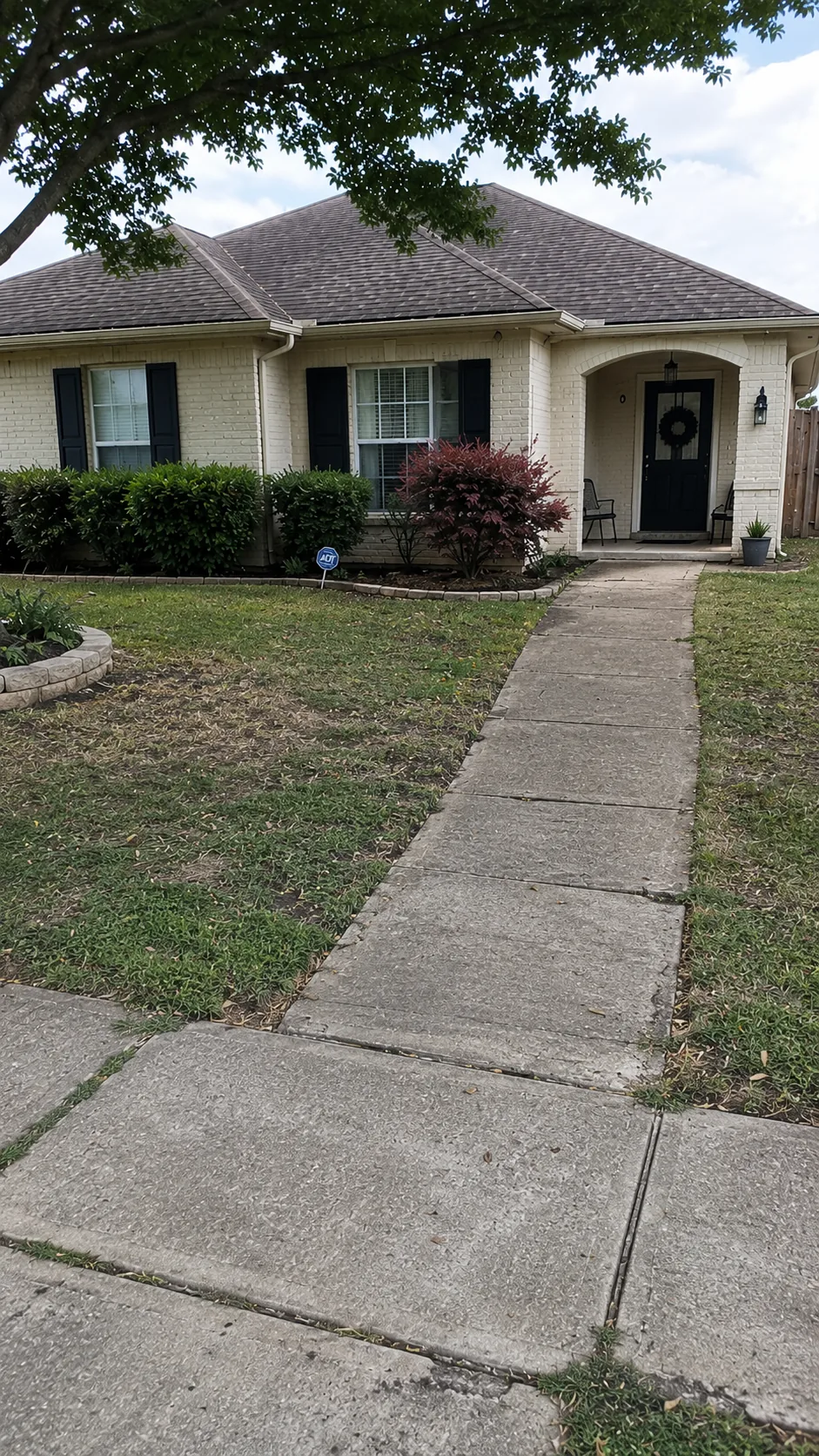
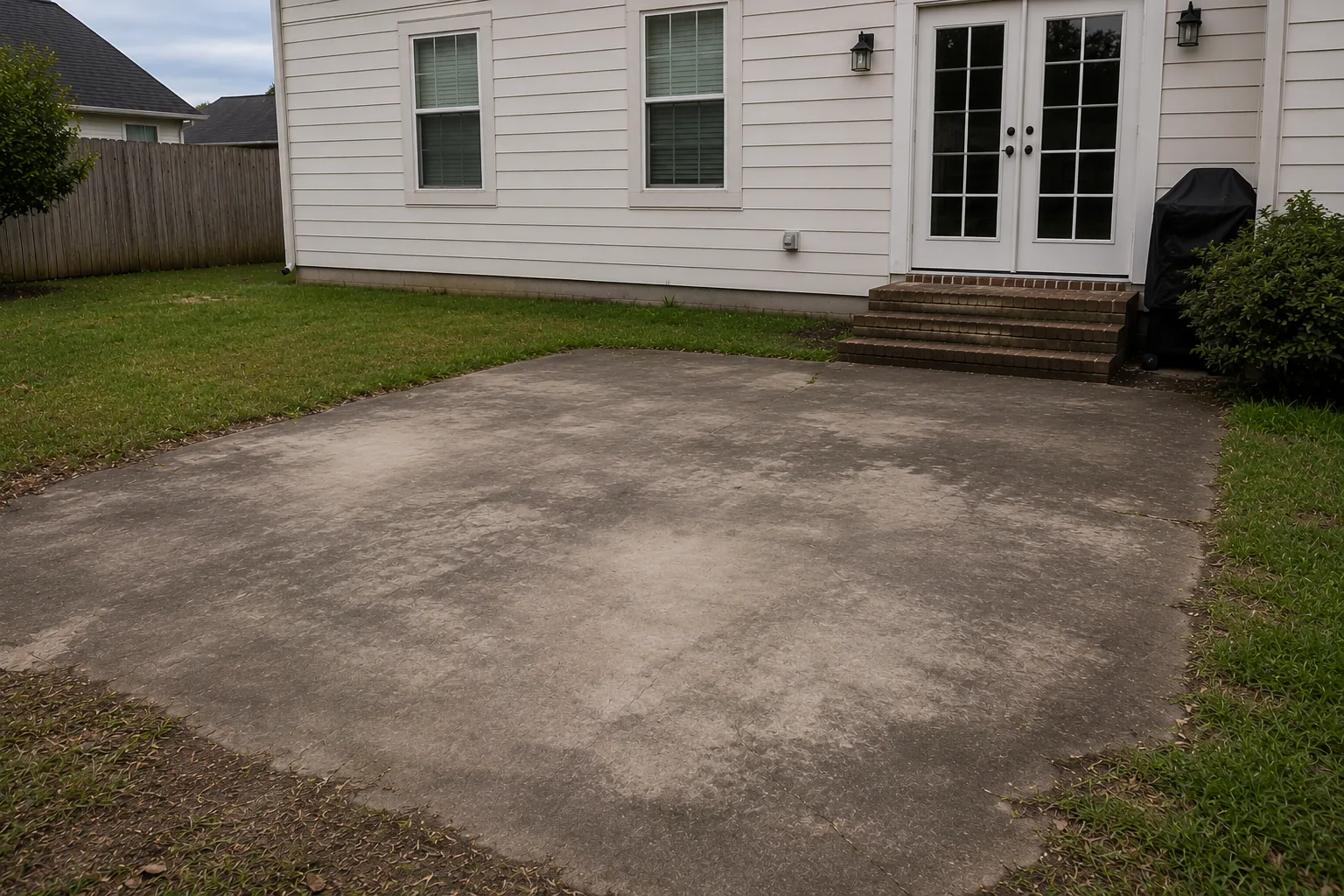
Concrete almost never fails because of the concrete. It fails because of what is under it. Much of Bellevue and the Eastside sits on glacial till, a dense hardpan that sheds water sideways instead of letting it soak away, often with soft fill or organic topsoil resting on top. Pour a slab on that soft layer without removing it, and it settles unevenly the first wet winter.
The second factor is water. We do not get punishing freeze-thaw cycles the way the Midwest does, but we get months of continuous saturation, and that is its own kind of stress. Water moving under a driveway pumps fines out of the base and leaves voids. Water trapped behind a retaining wall builds pressure until the wall leans. Those are drainage problems, not mix problems.
The third factor is timing. Concrete cures through a reaction that slows when it is cold and is ruined when rain lands on a fresh surface before it sets. Pouring does not stop between October and April here, but the window matters and protection has to be on site before the truck arrives.
Flatwork, structural concrete and removal, handled within a larger exterior project or as standalone work.
Full replacement, extensions for a second vehicle, RV and boat pads, and the approach where your driveway meets the public street. Vehicle-bearing slabs need a thicker section, heavier reinforcement and a compacted rock base.
Poured patios sized around real furniture layouts, connecting paths, side-yard runs and entry landings. Slope is the detail nobody notices until it is wrong, so flatwork is pitched away from the house and doorways.
Footings and stem walls for additions, ADUs, garages, decks and post bases, reinforced to the engineering on your plans. Structural concrete is inspected before the pour, so forms, rebar and hold-downs must be right the first time.
Interior slabs on grade with a vapor barrier beneath them, which is not optional in a climate this wet if flooring or storage is ever going down. We can form in trench drains and thickened edges for future equipment.
Poured entry steps, garden stairs and terraced landings on the sloped lots common through Somerset, Newport Hills and Cougar Mountain. Riser and tread dimensions must stay consistent top to bottom, the most frequent defect in older stairs.
Breaking out cracked, heaved or settled concrete, hauling the debris, correcting the base that caused the failure, and repouring. Where a slab is sound but the surface has spalled, we will say plainly whether resurfacing is a real fix.
Finish choice is not only about looks here, because texture, color and sealer all change how a surface performs after nine months of rain.
Fine parallel grooves dragged into the surface while the concrete is still plastic. The practical choice for driveways and sloped paths, since the texture gives real traction when wet. Broom across the line of travel rather than with it on any slope.
Cement paste is washed off shortly after placement to reveal the stone in the mix, leaving a pebbled surface with warm natural color. Well suited to patios and entry courts wanting texture without uniformity. The one drawback is that it collects needles and moss under conifers.
Patterned mats pressed into fresh concrete imitate slate, cut stone, brick or plank, usually with a base and contrasting release color. The most decorative option for patios and front entries. Specify slip resistance, because a smooth stamped pattern under glossy sealer is genuinely slick in our wet months.
Pigment added at the batch plant carries color through the full slab depth rather than sitting on top, so a chip does not expose a grey wound. Suits any flatwork meant to hold its color for decades. Expect some variation between truckloads as it cures.
The slab is saw cut in a deliberate grid, band or offset pattern so joints read as design rather than a necessary evil. Particularly effective on modern homes with large clean planes. Layout still has to respect where the concrete actually wants to crack.
A concrete project is mostly preparation, with a short and unforgiving window in the middle when everything has to go right.
We measure, check existing grades and watch where water actually goes in a hard rain. Access matters here too, since whether a mixer can reach the pour or a pump is required changes the plan.
Structural concrete and right-of-way work generally require permitting through the applicable city or King County, and larger hard surfaces can trigger stormwater review. Utility locates are called before any digging.
Existing concrete is broken out and hauled away, then we excavate to the depth the new section and base require. This is where the site tells the truth: soft spots, buried debris and unexpected water surface now.
Unsuitable material comes out and crushed rock goes in, placed in lifts and mechanically compacted rather than dumped and raked. Drain lines and downspout tie-ins go in now, because retrofitting means cutting the slab later.
Forms are set to finished elevations and slopes, then reinforcement goes in on chairs so it sits within the slab instead of lying on dirt where it does nothing. Isolation joints let new concrete move independently.
Concrete is placed, screeded, floated, then finished once bleed water has left the surface. Finishing too early traps water at the top and weakens the wearing layer, a leading cause of flaking on older driveways.
Control joints are tooled or saw cut at a spacing suited to slab thickness, giving inevitable shrinkage a straight line to follow. The slab is then cured and protected, which here means covering against rain.
Forms come out, the site is graded back, and any specified sealer goes on once the concrete has cured enough to accept it. We walk the work with you and set expectations for traffic and maintenance.
Send photos and a few details and we will tell you honestly whether you are looking at a repair or a replacement. Call (206) 825-2773 to talk it through with someone who has poured in these soils.
Different sites and budgets point toward different products, and sometimes poured concrete is not the right answer at all.
| Option | Best For | Considerations | Relative Cost |
|---|---|---|---|
| Standard broom-finish concrete | Driveways, walkways, equipment pads | Plainest look; joints, color variation and hairline cracking are visible and normal | Lowest |
| Exposed aggregate | Patios, entry courts, sloped paths | Wash timing is unforgiving; texture traps conifer debris and needs cleaning | Moderate |
| Stamped concrete | Feature patios, outdoor rooms, entries | Sealer needs reapplication on a cycle; specify slip resistance for wet months | Moderate to high |
| Integrally colored concrete | Anywhere color must survive chips and wear | Batch variation between trucks; efflorescence can temporarily lighten the surface | Moderate |
| Pervious or permeable concrete | Lots pushing against impervious-surface limits | Needs an open-graded storage base and periodic vacuuming; not for every load case | High |
| Concrete or stone pavers | Areas over utilities, soft fill or tree roots | Units can be lifted and reset; joint sand needs occasional attention | Moderate to high |
| Poured retaining and site walls | Grade changes, hillside lots, terraced yards | Usually engineered above a modest height, plus drain rock and a footing drain behind | Highest |
final material choice depends on site conditions and a written estimate
Two projects with identical square footage can price very differently, and the reasons are usually invisible from the street.
A driveway a mixer can reach directly is the cheapest concrete you will ever buy. A backyard patio behind a narrow side yard may need a pump or wheelbarrow crews on the same volume.
Breaking out existing concrete, especially thick or heavily reinforced sections, adds labor, machine time and dump fees. Whether the old slab holds mesh, rebar or nothing is unknown until it comes up.
Hardpan resists digging while soft organic fill must be removed and replaced with imported rock, and both cost more than stable native soil. Hauling spoils is separate, and tight lots have nowhere to stage material.
A patio, a car driveway and a slab carrying a delivery truck are three different structural problems. Specifying heavier than needed wastes money; specifying lighter guarantees a repour later.
Straight rectangles form quickly, while curves, steps, multiple elevations and thickened edges add forming labor. On a sloped lot every level needs its own layout and drainage plan.
Drain lines, catch basins, stormwater requirements, engineered retaining walls and right-of-way permitting sit outside the concrete but land in the same budget. On sloped lots these can rival the flatwork itself.
Concrete pricing cannot be given accurately over the phone or from a satellite image, because access, soil, drainage and existing conditions drive the number more than square footage does. We price after an on-site inspection, in writing, with scope and assumptions spelled out.
The habits separating concrete that lasts decades from concrete that looks tired in five years are mostly invisible once the work is done.
We would rather spend an extra day on excavation and compaction than return to a settled slab. Rock compacted in lifts is the difference between a driveway that stays flat and one that dips at the apron.
Every pour is laid out with a plan for roof runoff, uphill sheet flow and the low corner of the yard. Drainage designed in during layout costs a fraction of drainage retrofitted later.
Not every cracked slab needs tearing out, and not every tired surface can be saved by resurfacing. We will say when a patch is the sensible answer even though replacement is the larger job.
Because we work across exteriors, concrete is sequenced with siding, decks, drainage and landscaping rather than dropped in isolation. That keeps finished flatwork from being cut or stained by later trades.
Pour dates are chosen with the forecast in mind and protection is staged before placement begins. Rain on an unset surface causes permanent texture and color damage that cleaning will not correct.
Estimates state thickness, reinforcement, finish, joint layout, drainage and disposal so you know what is included. Vague concrete bids are where the surprises live.
Foot traffic is generally fine after a day or two, while vehicles usually need to stay off for roughly a week under normal conditions. Concrete keeps gaining strength for weeks after it looks and feels hard. Cool weather slows the reaction, so a winter pour often needs a longer wait than the same slab in August.
Some cracking is expected in every slab, which is exactly why control joints exist. Concrete shrinks as it cures and relieves that stress somewhere, so joints are placed to make it happen along a planned line rather than randomly across your patio. What is not acceptable is cracking from a failed base, or cracks with one side sitting higher than the other.
Yes, with adjustments, though the schedule becomes weather dependent rather than date dependent. Cold slows curing and rain on a fresh surface causes permanent pitting and color mottling, so cold-weather pours rely on mix adjustments, covers and a willingness to postpone. Base prep, forming and demolition continue in weather that would ruin a pour.
It depends on what you are building and where, and the answer differs between Bellevue, neighboring Eastside cities and unincorporated King County. Structural concrete such as footings and taller retaining walls typically requires a permit and inspection, and work touching the public right of way generally needs its own approval. Significant new hard surface can also trigger stormwater requirements.
That is algae and moss, growing because our surfaces stay damp and shaded for months, especially on the north side of a house or under cedars and firs. It is a maintenance issue rather than a defect, but a genuine slip hazard on walkways and steps. A textured finish, trimmed branches and proper drainage all slow it down.
Decorative concrete should be sealed, and plain broom-finish flatwork benefits without strictly requiring it. Sealer resists staining from oil, leaf tannins and rust, and keeps stamped and colored work looking the way it did on day one. The catch is that sealers wear and need reapplication, and glossy sealer on a smooth surface gets slippery unless a traction additive is included.
Sometimes, and it depends entirely on why the surface looks bad. If the slab is structurally sound and the problem is limited to surface flaking or staining, an overlay can genuinely extend its life. If it has settled, shows cracks with vertical displacement, or is moving because the base washed out, resurfacing only hides the problem.
Much of the housing stock here dates to the middle of the last century, and foundations from that era were built to standards predating current seismic requirements. When new footings for an addition or ADU meet an original foundation, the connection needs deliberate detailing and differential settlement is a real consideration. If the structure is already open, that is the cheapest moment to address anchorage and drainage.
EXCELLENTTrustindex verifies that the original source of the review is Google. Didn’t know what to expect at first but these guys blew the winds off my hat I mean seriously, I had a bathtub renovated to a built in shower and my God am I satisfied with their work. If anyone is considering going with these guys for a remodel I’d vouch for sure.Posted onTrustindex verifies that the original source of the review is Google. They did a good job on my Deck remodeling project, finished in such a short time and gave me a professional run-down on the material and labor cost. Highly recommend.Posted onTrustindex verifies that the original source of the review is Google. I usually don’t trust these companies but Sky Pro blew my expectations out of the water. I seriously am so glad they contacted me, I have 2 bathrooms in my home that both needed to be completely remodeled and they nailed my vision down for both. I couldn’t be happier with this and can recommend them to anyone, even locally.Posted onTrustindex verifies that the original source of the review is Google. I ended up going with Sky Pro for my roof project, they did an amazing job and the team didn’t fail to keep me assured the entire process through. 🙏🏽Posted onTrustindex verifies that the original source of the review is Google. Sky Pro came to do my concrete driveway project a couple weeks ago and, they were very respectful and easy to communicate with, very satisfied with their work.Posted onTrustindex verifies that the original source of the review is Google. These guy did a great job extending out our back patio. We have existing exposed aggregate and they matched the design perfectly. From the start Ben always made sure we were happy and all our questions were answered. We will definitely use them again for future concrete projects.Posted onTrustindex verifies that the original source of the review is Google. Sky Pro came out and gave me a quote for my flooring project, they sent a wonderful contractor and he explained to me what was best regarding material costs. Definitely will be going with them! Contractor was actually really cool with the process and showed me some previews on how it should lookPosted onTrustindex verifies that the original source of the review is Google. Got my deck looked at by SkyPro, ended up going with them for repairs and they did an amazing job. We made a deal with the pricing as well so I'm actually looking forward to booking with them soon when I wanna get my other project done.Posted onTrustindex verifies that the original source of the review is Google. SkyPro did my kitchen remodel project and I am so glad I went with them because now I’m walking into a palace every time I’m home. Really appreciate them!Verified by TrustindexTrustindex verified badge is the Universal Symbol of Trust. Only the greatest companies can get the verified badge who has a review score above 4.5, based on customer reviews over the past 12 months. Read more
Sky Pro Remodeling handles concrete work throughout Bellevue and across the Eastside, including Kirkland, Redmond, Sammamish, Issaquah, Newcastle, Mercer Island, Woodinville, Bothell and Renton, plus neighborhoods across greater Seattle. Conditions vary between a flat Redmond lot and a steep hillside parcel above Lake Washington, so every project starts on your ground.
Do not see your neighborhood? Call (206) 825-2773 — we regularly work throughout King County.
Accurate concrete pricing takes an on-site visit, because access, soil and drainage decide the number. Reach us at (206) 825-2773 to schedule a walkthrough.
A broader overview of concrete services and what to look for when hiring for flatwork or structural work.
Learn more
Useful context on how our wet climate should shape material decisions, which applies directly to exterior concrete and its finishes.
Learn more
Worth reading if your concrete is part of a larger yard plan, since hardscape and planting decisions work best together.
Learn moreTell us what you are planning, whether it is a driveway replacement, a new patio, footings for an addition or a slab you are unsure about. We will follow up to arrange a site visit and put a written scope in your hands.
Let us know how we can help you!