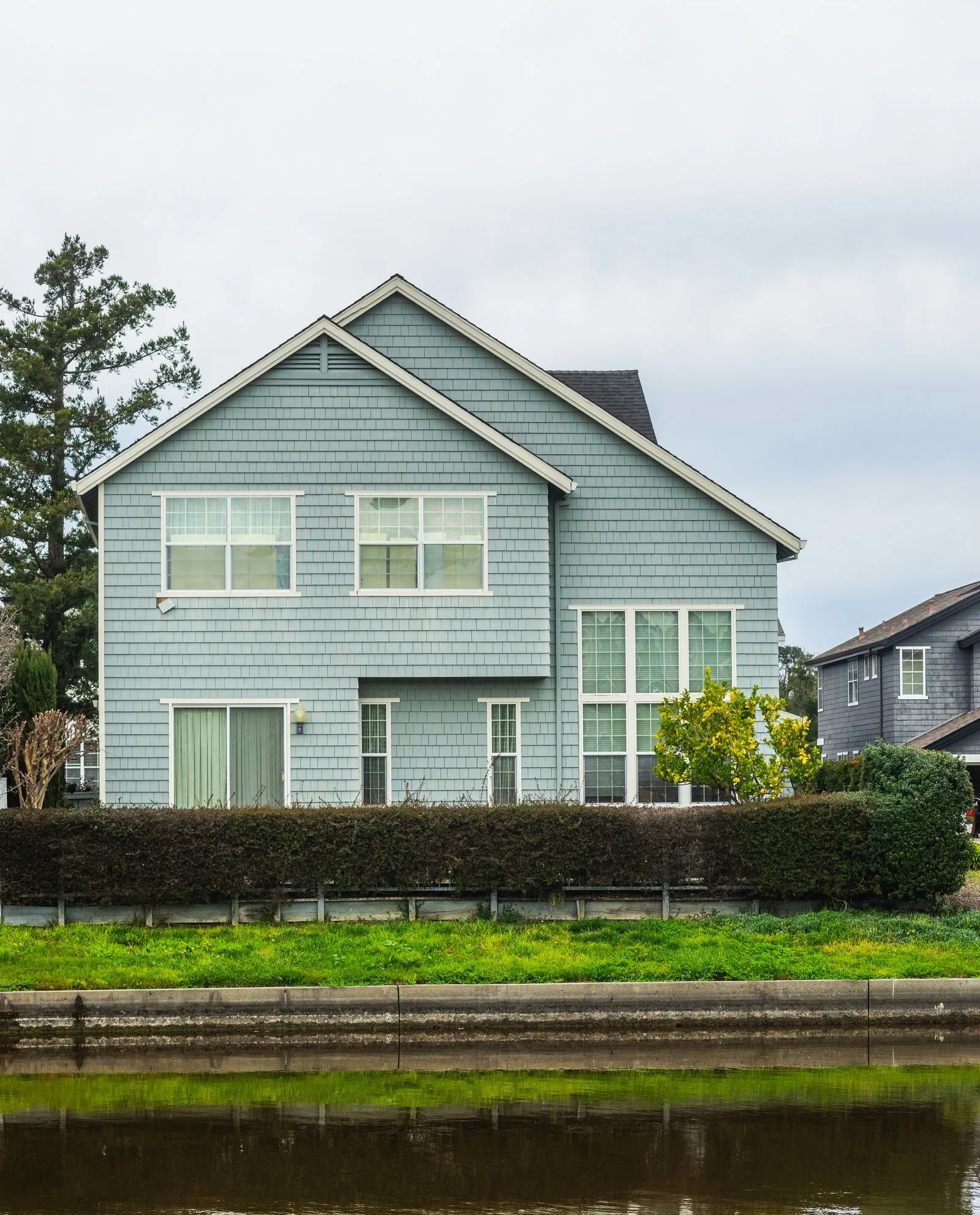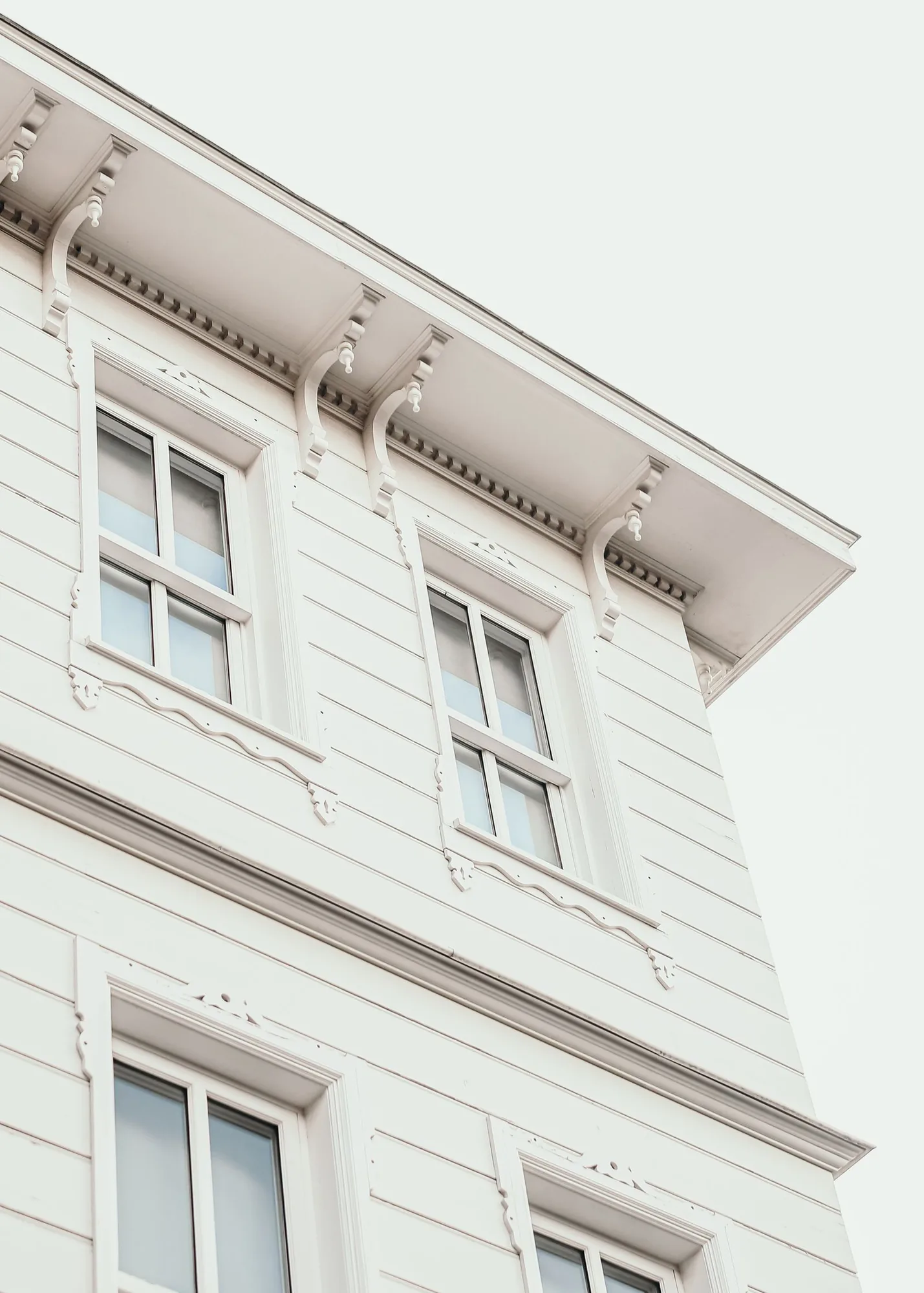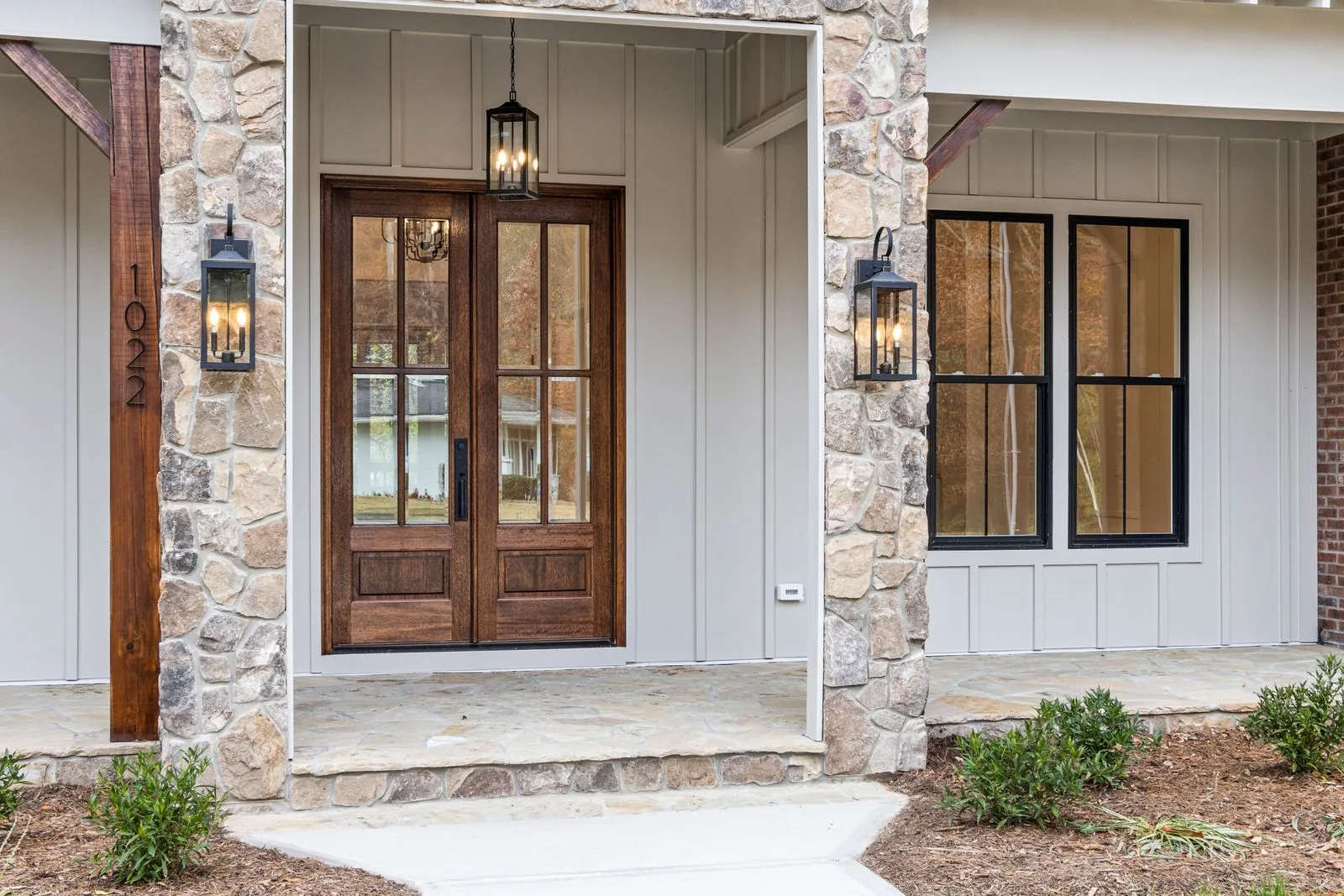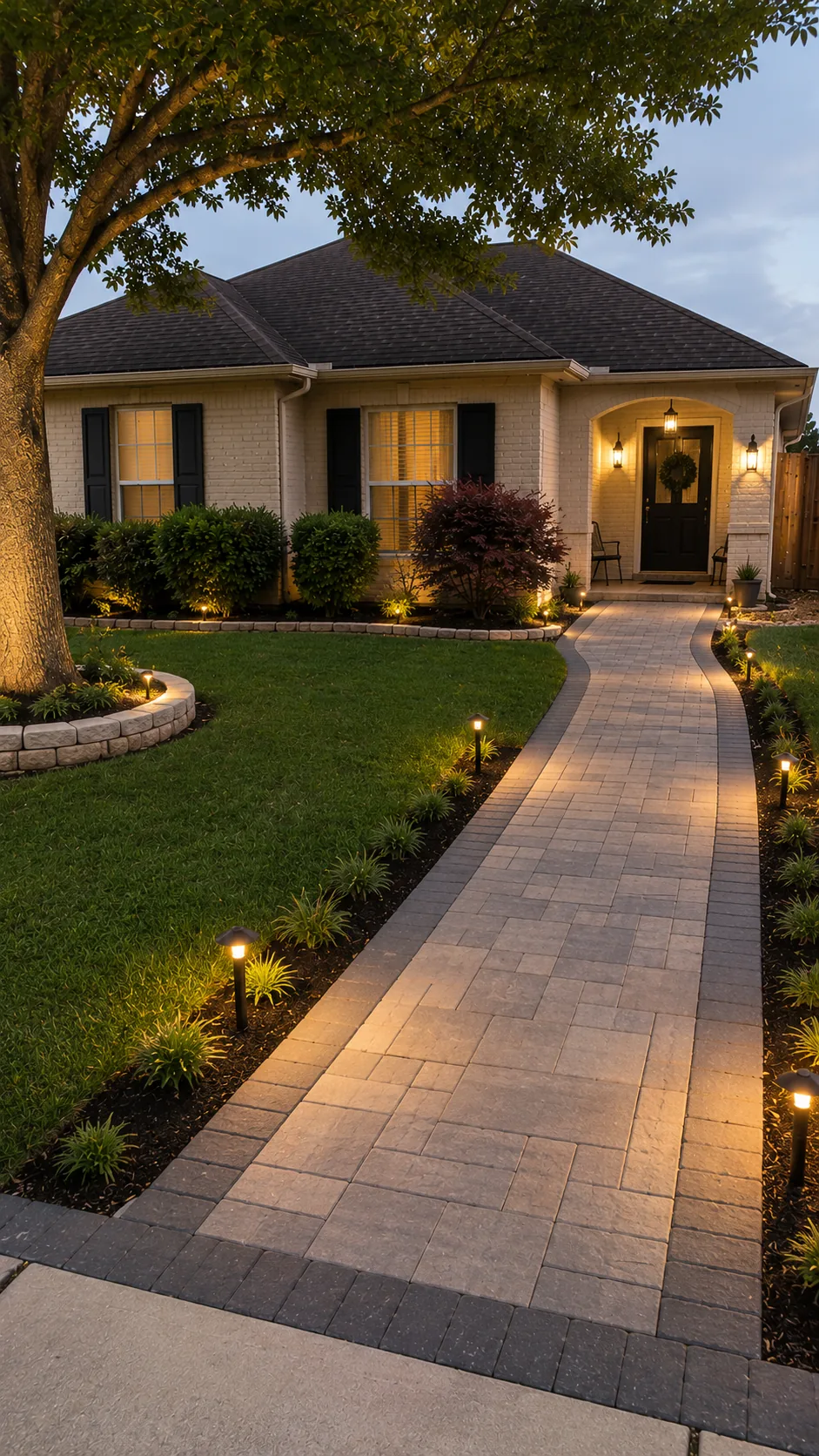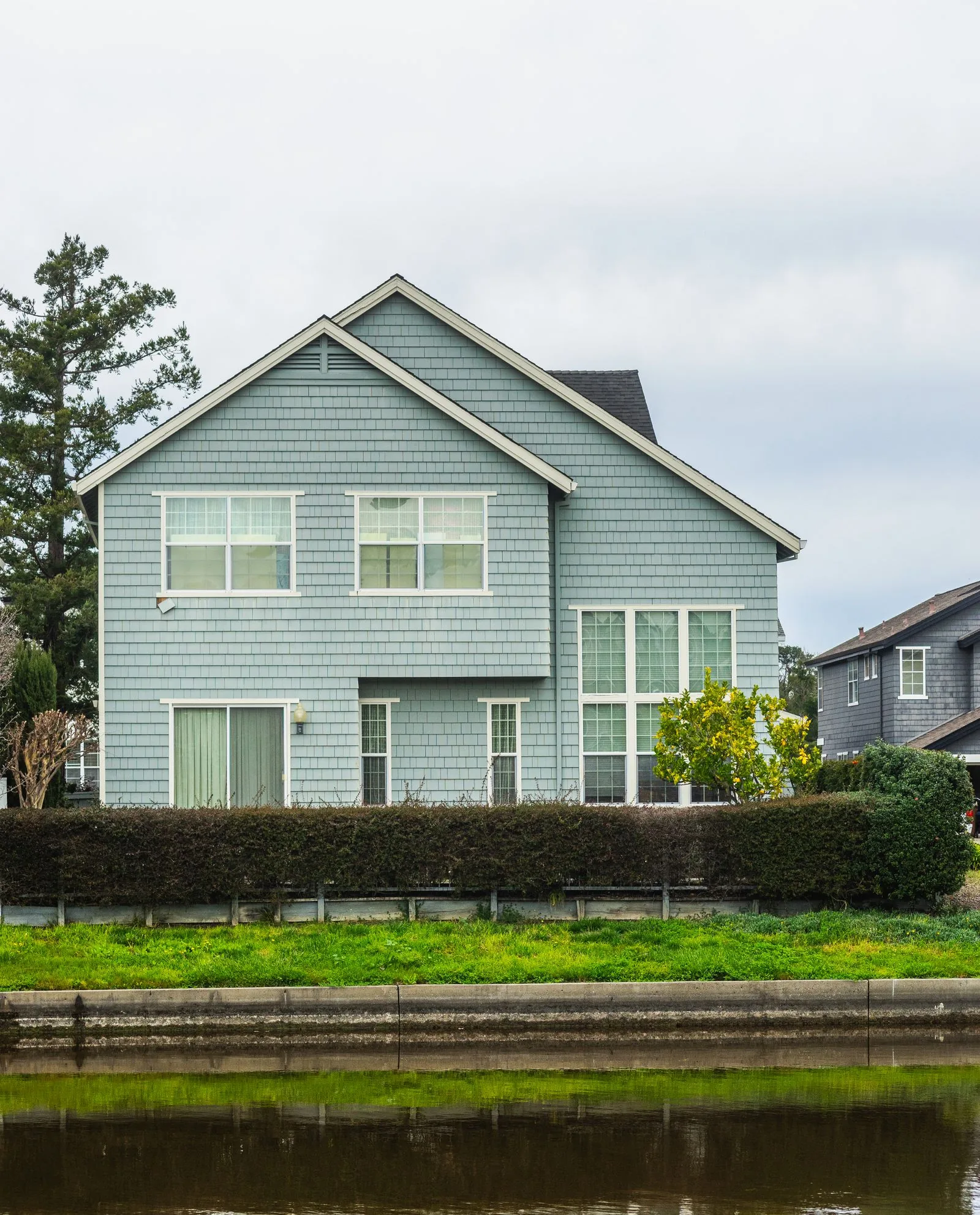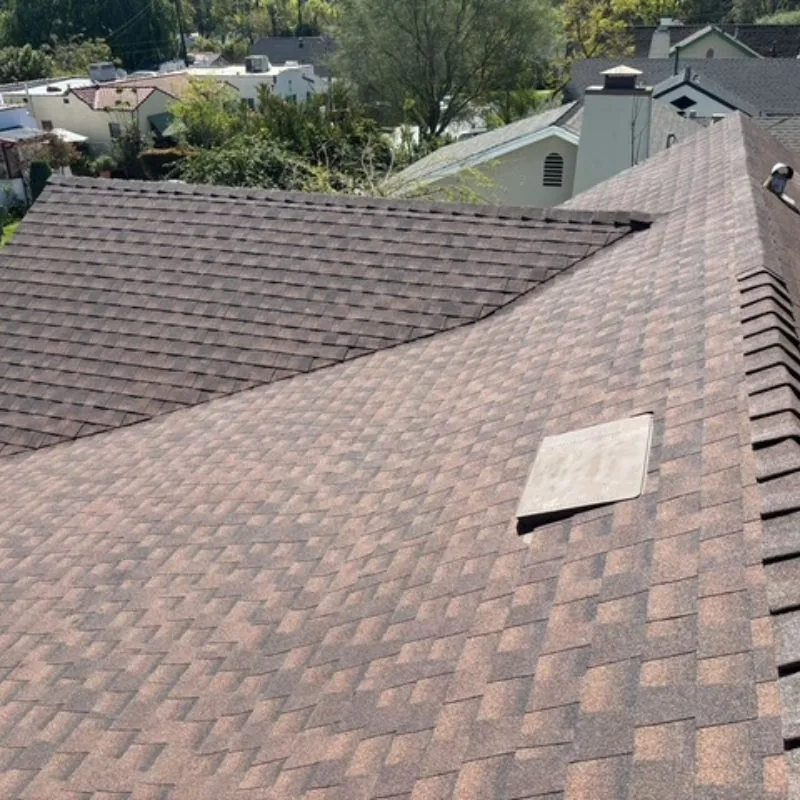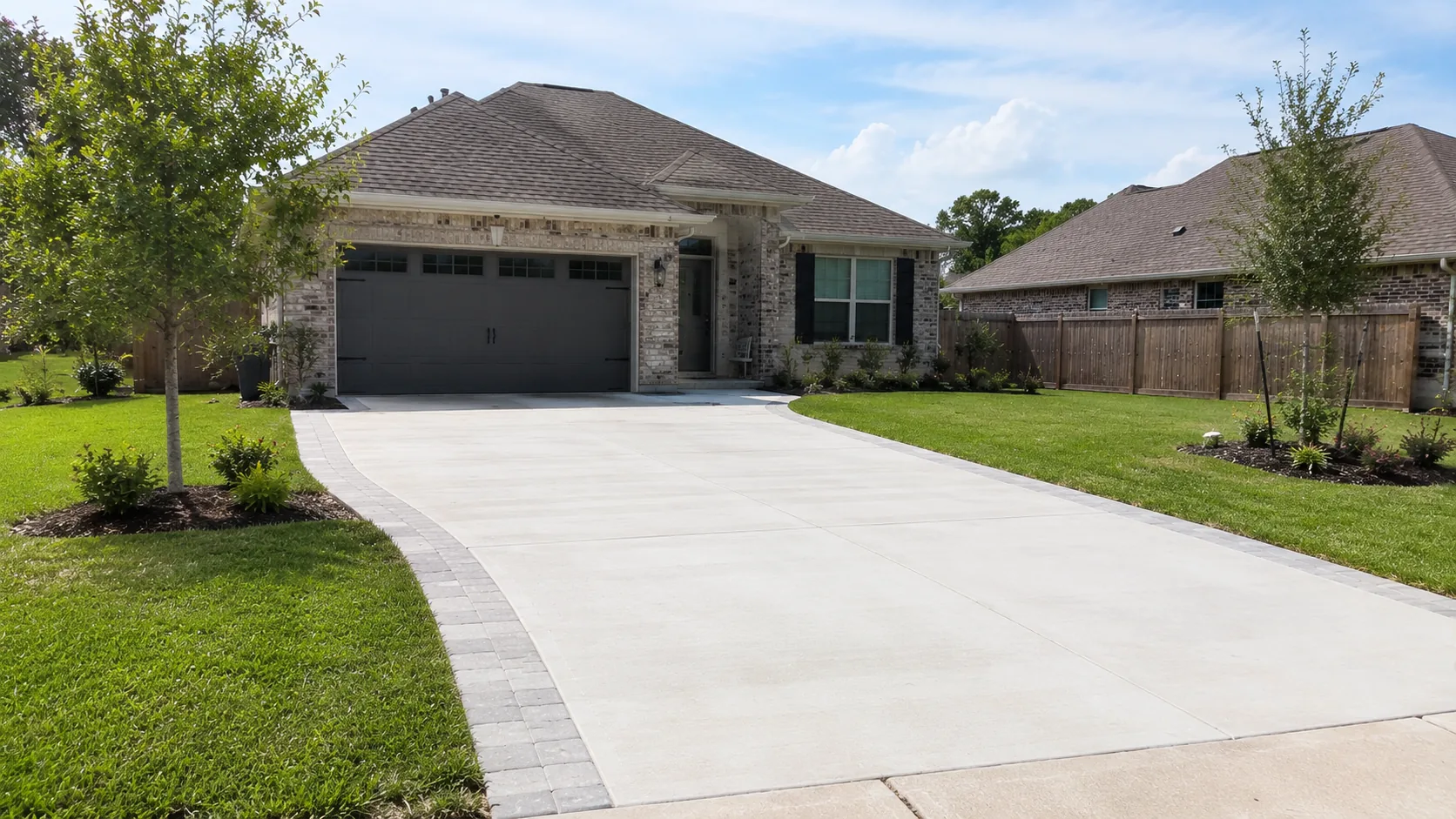
A repaint in the Puget Sound region is a weather system, not a color choice. We prep for the moisture that actually causes coating failure here, then apply finishes matched to your siding substrate and your home’s exposure.

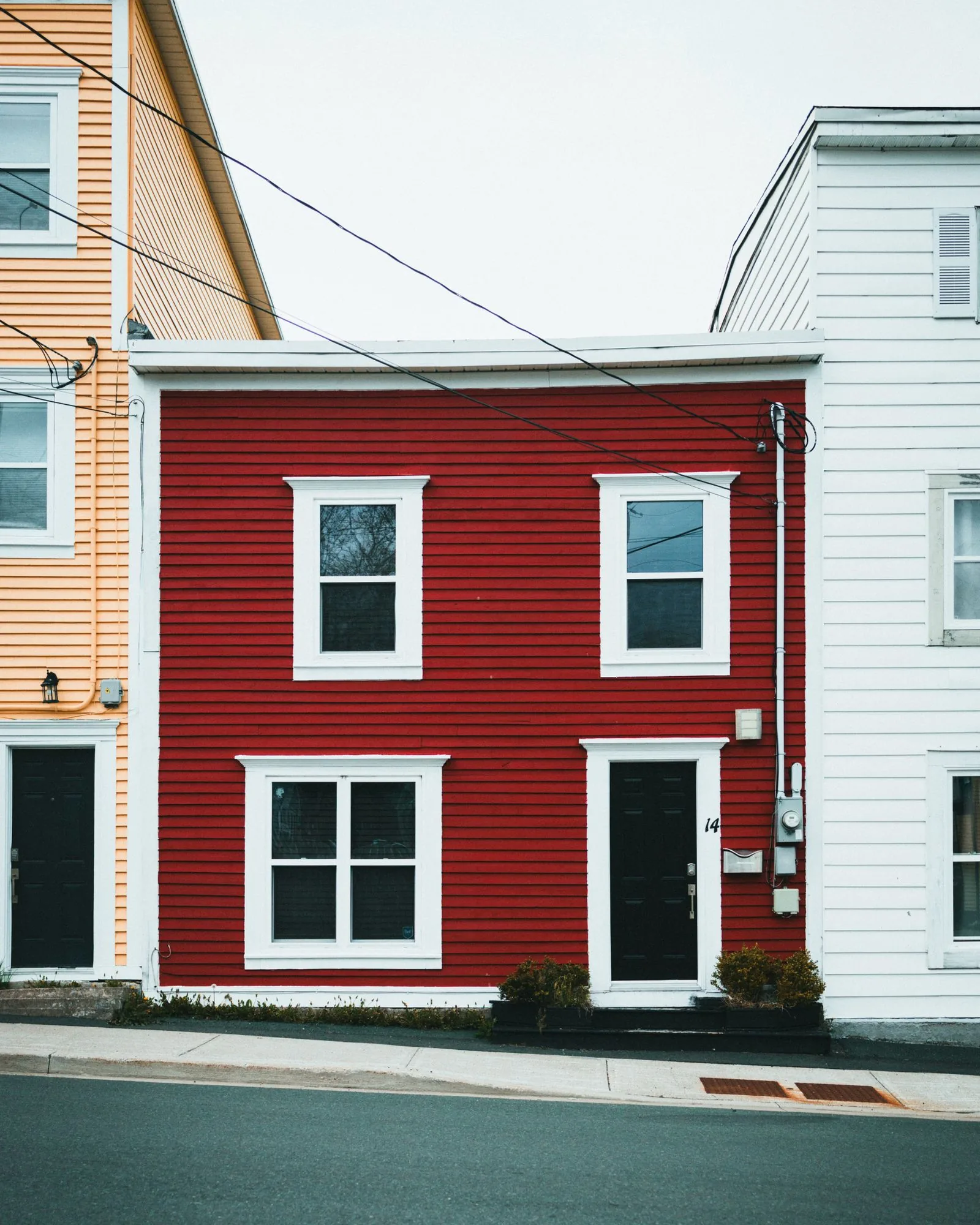
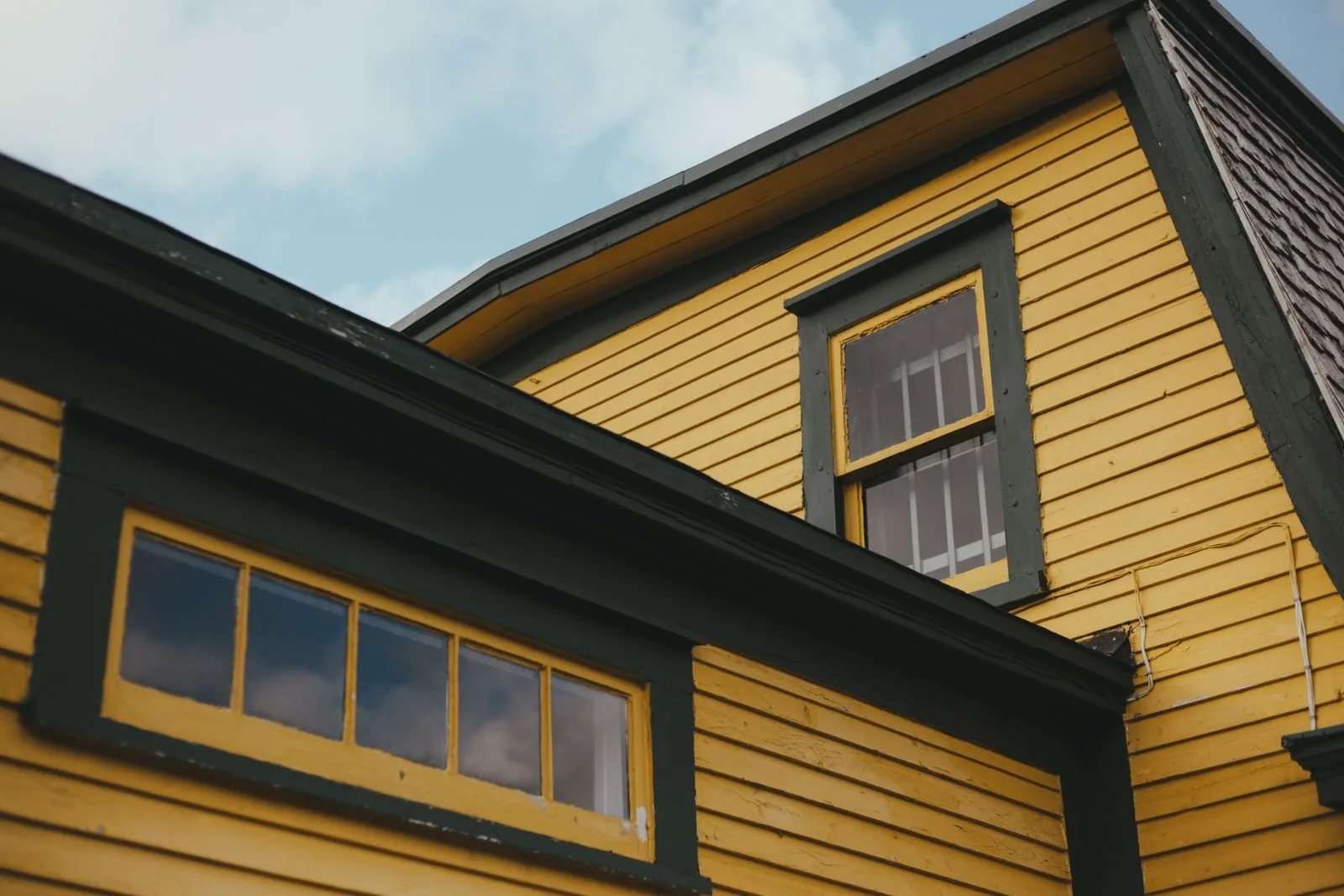
In a dry climate, exterior paint is mostly a color. Here it is a working part of the building envelope. From October through May, siding on the Eastside stays damp for long stretches, dries slowly under grey light, and never gets the hard baking sun that drives moisture out of wood in other parts of the country. A coating that fails in this environment does not usually fail because the paint was cheap. It fails because water got behind the film and pushed it off from the back.
That is why every repaint conversation starts with the substrate rather than the swatch. Much of the housing stock across Bellevue, Kirkland, Redmond and the older Seattle neighborhoods is cedar bevel siding, cedar shingle, T1-11 plywood panel, or engineered wood lap. Each behaves differently when wet. Cedar bleeds tannin through light latex and leaves brown streaks. T1-11 wicks water up through unsealed bottom edges and delaminates along the grooves. Engineered wood swells at open butt joints. Fiber cement is stable but shows every caulk line you get wrong.
The other reality is timing. The window for reliable exterior coating work here is narrower than most homeowners expect, because surface temperature, humidity and dew point all have to cooperate for the film to cure. Paint applied late in the day in September can be wet with dew before it has set. We would rather move a start date than put a coat on a wall that will not cure.
Most exterior repaints fall into one of a handful of approaches, and each has a different implication for prep and cost.
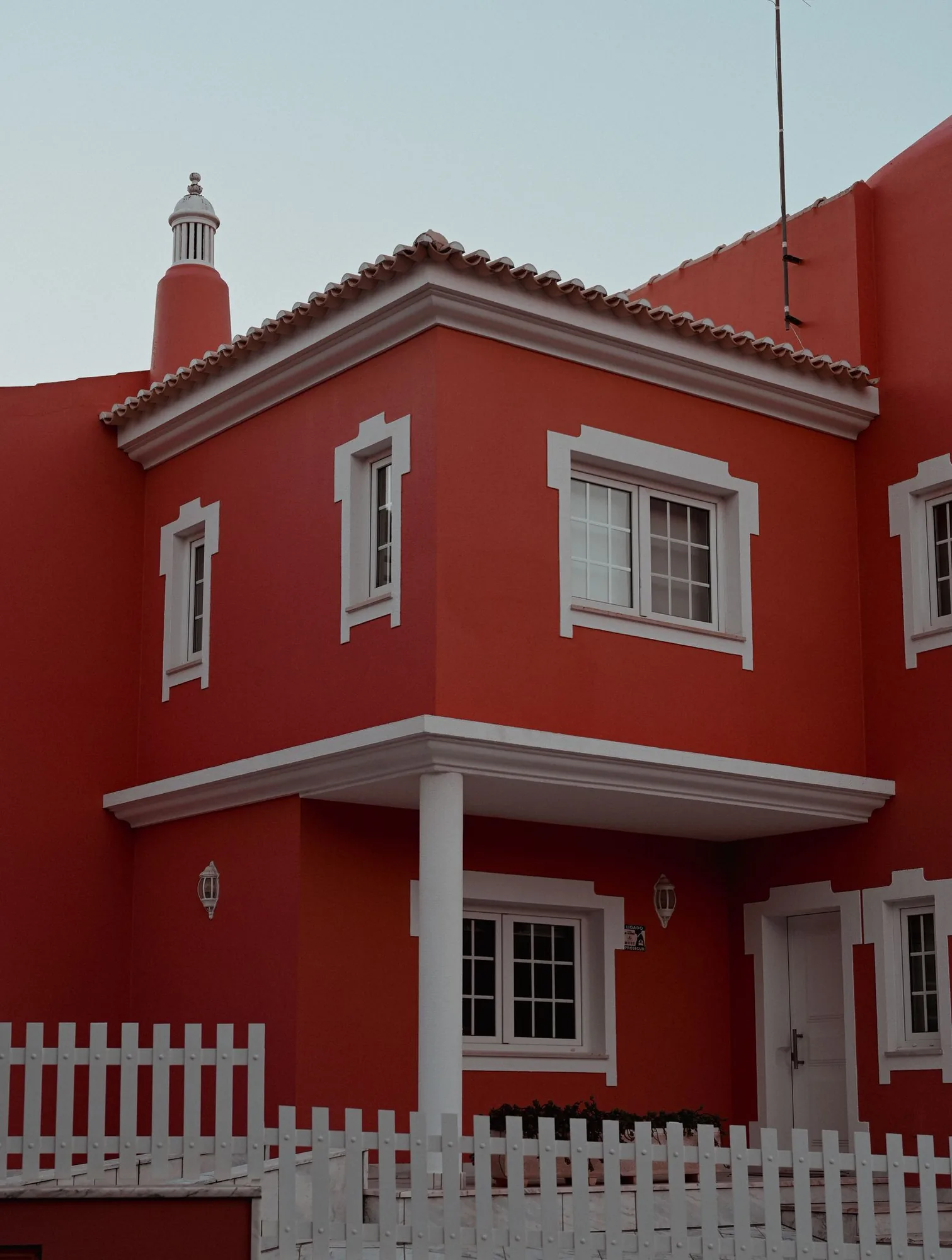
The body carries one color and the trim, corner boards, fascia and window casings carry a contrasting one, which gives the elevation structure and definition. It suits almost every house form in the region, from split-levels to Craftsman bungalows. Be aware that every additional color adds cutting-in labor, so a house with heavy trim detail costs meaningfully more in a two-tone scheme than a single-color one.
Deep charcoals, near-blacks and dark greens have become the default for contemporary Eastside remodels, usually paired with warm wood at the entry. They read well against evergreen backdrops and hide the dirt streaking grey rain leaves on light siding. The tradeoff is heat: dark colors absorb more solar energy on south and west elevations, which stresses the coating and accelerates fade, so pigment quality matters more than with a mid-tone.
A solid-body stain soaks into cedar siding and shingles while still delivering full opaque color. It suits older cedar that has already peeled once, because stain builds no skin that can be pushed off from behind. Expect to recoat sooner than with paint, a trade many owners of shingle-clad homes accept in exchange for never scraping again.
When the body coating is still sound, repainting only the trim, fascia, garage and front door restores most of the visual impact for a fraction of the scope. It works well where the siding was coated recently but south-facing trim has chalked. The consideration is sheen and undertone matching, since fresh trim beside weathered body paint exposes any drift in the original color.
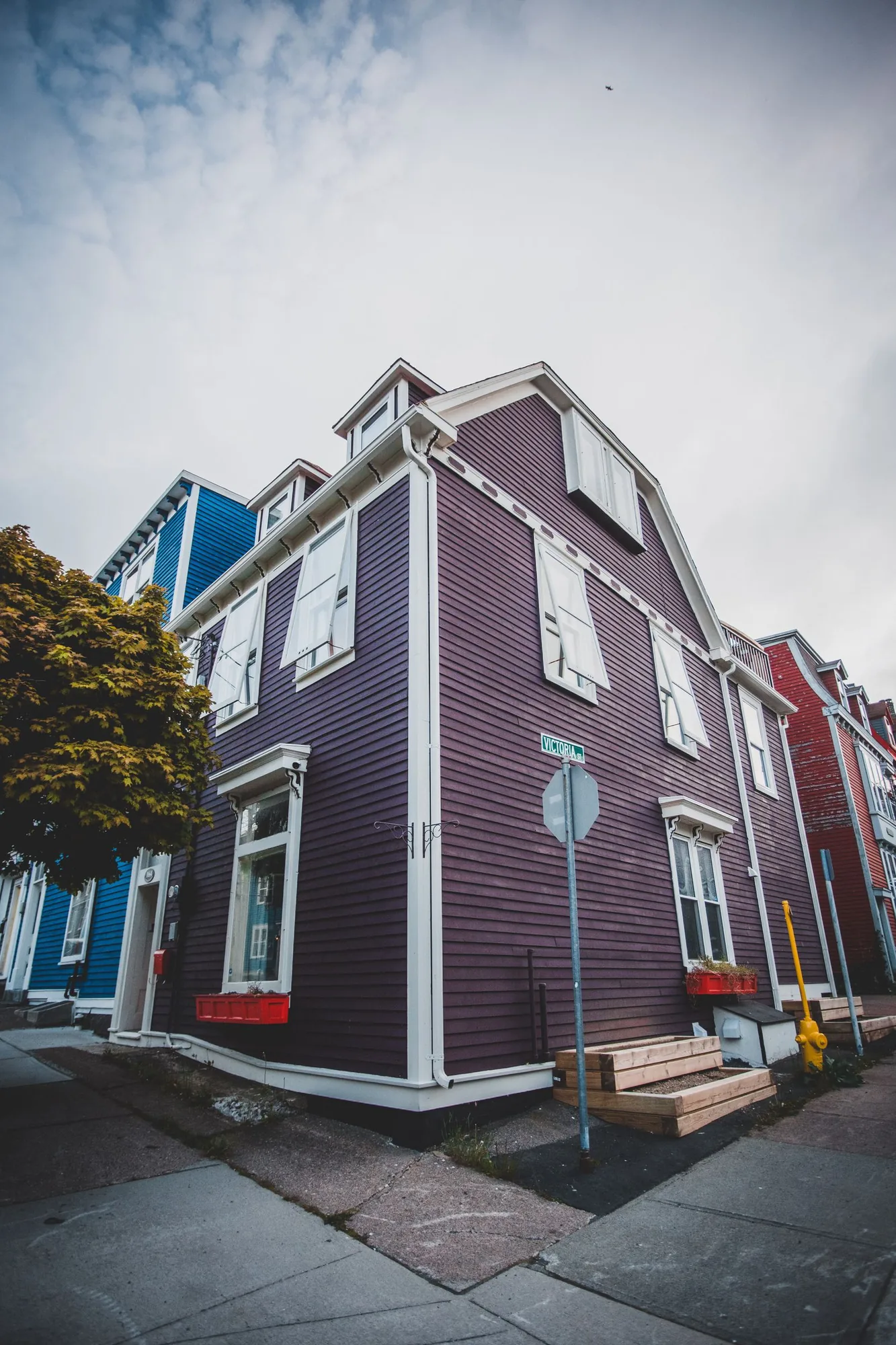
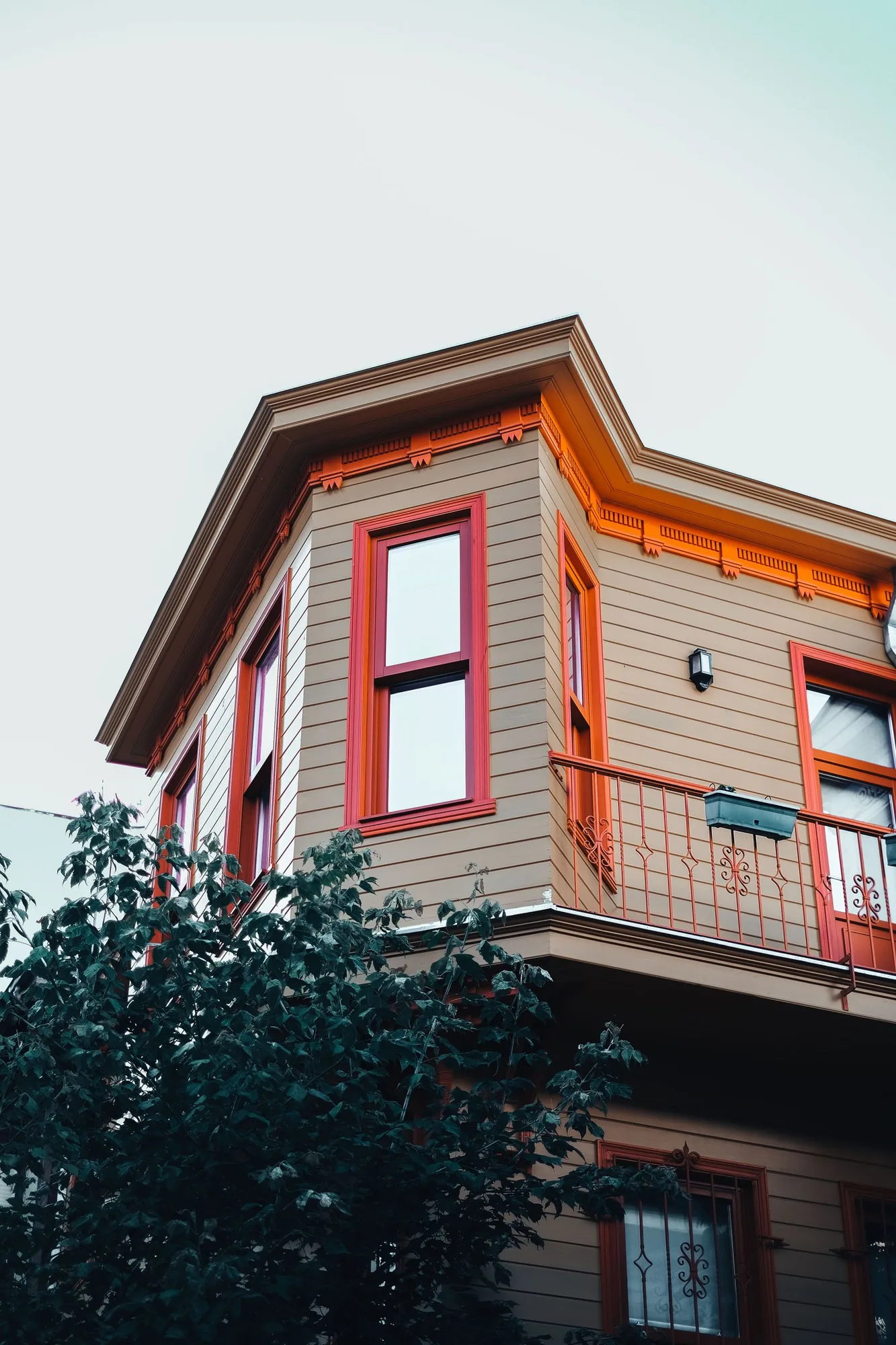
Older Seattle and Eastside homes, particularly Tudors, Craftsman bungalows and mid-century moderns, have palettes suited to their era and detailing. A historically grounded scheme runs a deeper body with lighter sash and a saturated accent at the door rather than a flat contemporary two-tone. If your home sits in a designated district or under an active HOA, confirm color approval before we order material.
How We Work
Here is the sequence on a typical full exterior, and what is actually happening at each stage.
1
We inspect every elevation, check moisture, identify failing areas and note anything needing carpentry. You get a written scope naming the products, the number of coats and what is and is not included, so there is no later argument about whether the garage door or deck rail was in the price.
2
We put sizable samples on more than one elevation and ask you to look at them across several days. Under low grey Northwest light, colors read cooler and darker than they do on a showroom chip, and the same swatch looks different on a shaded north wall than on a sunlit gable.
3
Landscaping, hardscape, decks, windows, fixtures, roofing and anything not being coated is covered and masked before work begins. Gutters, meters and vents get handled specifically rather than wrapped and forgotten.
4
The house is cleaned to remove moss, mildew, chalk and airborne grime, then given real time to dry. This is the stage most often compressed on a rushed job, and coating over damp siding is the fastest route to a failed film.
5
Failing coating comes off, edges are feathered, rotted wood is replaced and new material is primed on all faces. Nail pops are set, and siding cupped badly enough to hold water is addressed rather than painted over.
6
Bare and stained areas receive the correct primer for that substrate, then joints and penetrations are caulked. We are deliberate about what does not get caulked, because sealing the bottom edge of lap siding or the drainage gaps under trim traps water inside the wall.
7
Coats go on to the manufacturer’s specified film build, in dry conditions, with enough daylight left to set before evening moisture arrives. On porous substrates we back-roll behind the sprayer so the coating is worked into the surface rather than sitting on top of it.
8
We walk the property with you, list anything needing correction, and handle it before demobilizing. Masking comes off, the site is cleaned, and leftover material is labeled by elevation so future touch-ups match.
A full exterior repaint is roughly three-quarters preparation and one-quarter application, and the scope below reflects that.
We walk every elevation with a moisture meter and probe suspect areas at butt joints, sills, band boards and the bottom course of siding. That tells us what needs repair, what must dry before coating, and where past failures started.
North-facing walls under fir and cedar canopy grow moss, algae and mildew that return straight through a new coat if only rinsed off. We clean with an appropriate solution at low pressure rather than blasting lap siding, which forces water behind the boards and creates the exact problem the paint is meant to prevent.
All loose, peeling and chalking material comes off, and the hard edges left behind are feathered so the transition does not telegraph through the finish. On homes built before 1978 this work follows lead-safe practices, including containment and controlled cleanup of debris.
Soft trim, split sills, failed sheathing and damaged shingle courses are replaced before coating, because paint over rot only hides it for a season. Replacement boards are primed on all six sides, cut ends included, before installation.
Bare wood, exposed nail heads, water stains, knots and cedar tannin get a stain-blocking primer rather than a general-purpose one. This is the most common shortcut on a cheap repaint, and it is why so many white and light-grey Eastside houses develop rust-colored bleed lines within a year.
Joints at trim, corner boards, casings and penetrations are sealed with a flexible exterior sealant, while the bottom edges of lap siding and the drainage gaps below trim are deliberately left open so water can escape. Finish coats go on to full film build and are back-rolled where that improves penetration.
We will walk every elevation, check moisture and condition, and tell you what your house actually needs. Call (206) 825-2773 to schedule an inspection.
The right product depends far more on your substrate and exposure than on brand preference.
| Option | Best For | Considerations | Relative Cost |
|---|---|---|---|
| 100% Acrylic Latex | Cedar, fiber cement and engineered wood siding | Stays flexible through seasonal movement and breathes enough to let vapor out. The workhorse for most repaints here. | Moderate |
| Oil-Based Stain-Blocking Primer | Cedar, redwood, knots and water-stained wood | Seals in tannin so it cannot bleed through the topcoat. Cures more slowly and has stronger odor, which affects scheduling. | Moderate |
| Solid-Body Stain | Weathered cedar siding, shingles and shakes | Penetrates rather than forming a film, so it will not peel in sheets. Requires recoating on a shorter cycle than paint. | Moderate |
| Waterborne Alkyd Enamel | Front doors, railings, shutters and detailed trim | Levels smoothly and holds a hard finish on high-touch surfaces. Slower to recoat and best kept off large siding areas. | Higher |
| Elastomeric Coating | Stucco and masonry with hairline cracking | Bridges fine cracks with a thick flexible film. Should never go on wood siding, where it traps moisture and causes rapid failure. | Higher |
| Vinyl-Safe Acrylic | Recoloring existing vinyl siding | Formulated so the siding does not warp from heat absorption. Limits how dark a color you can realistically choose. | Moderate |
| Breathable Mineral Coating | Brick, block foundations and chimneys | Allows vapor to escape masonry instead of sealing it in. Coating brick is effectively permanent, so decide carefully. | Varies |
final material choice depends on site conditions and a written estimate
No two houses of the same size price the same, and the reasons are almost always about condition and access rather than square footage alone.
This is the largest single variable. A house with sound paint that just needs washing and two coats is a fundamentally different job from one where half the south elevation has to be scraped to bare wood and spot primed.
Cedar needs stain blocking, T1-11 often needs edge sealing or panel replacement, and stucco may need patching before anything is applied. Rot found during prep adds carpentry hours that cannot be known precisely until the failing material comes off.
Two- and three-story elevations, the steep lots common across the Eastside, tight setbacks and mature landscaping all slow the work down. Anything requiring staging, extended ladders or a lift rather than simple ground access adds labor and equipment.
Every additional color means more masking and more slow hand-cutting. A house with heavy trim, shutters, multi-lite windows, exposed rafter tails or decorative brackets carries far more labor per square foot than a simple plane of siding.
Better resins and pigments cost more per gallon and hold longer before chalking and fading, and two full coats cost more than one thin one. Since material is a modest share of the total next to labor, saving on the coating rarely saves much and shortens the interval before you do it again.
Disturbing paint on homes built before 1978 requires containment, controlled work practices and proper cleanup and disposal. Those steps take real time and add cost, and they are not optional on a home in that age range.
Any number given without someone standing at your house is a guess. Accurate pricing requires an on-site inspection of every elevation and a written estimate that spells out the prep scope, the products and the number of coats.
What separates a repaint that lasts from one that fails early is almost entirely in the parts you cannot see.
The scrape, sand, prime and dry-time stages determine how long the finish holds. We quote them honestly rather than trimming them to win a bid and leaving you a problem three winters out.
Cedar, engineered wood, T1-11, fiber cement, stucco and vinyl each fail differently and need different products. Knowing which one you have, and how it has behaved so far, drives the entire specification.
We check moisture before coating, wash at low pressure so we are not driving water behind siding, and leave the wall’s drainage paths open. In this climate that discipline matters more than any product choice.
As a remodeling contractor we can replace rotted trim, siding and sills rather than pointing at them and painting around the problem. That keeps one party accountable for the finished result.
We plan around the real coating window and the daily dew point rather than pushing a crew onto a wall that will not cure. If the forecast turns, we adjust the schedule rather than compromise the film.
You get a written scope naming products, coats and included surfaces, plus one point of contact while the work runs. Change orders go in writing before the work does, not as a surprise on the final invoice.
EXCELLENTTrustindex verifies that the original source of the review is Google. Didn’t know what to expect at first but these guys blew the winds off my hat I mean seriously, I had a bathtub renovated to a built in shower and my God am I satisfied with their work. If anyone is considering going with these guys for a remodel I’d vouch for sure.Posted onTrustindex verifies that the original source of the review is Google. They did a good job on my Deck remodeling project, finished in such a short time and gave me a professional run-down on the material and labor cost. Highly recommend.Posted onTrustindex verifies that the original source of the review is Google. I usually don’t trust these companies but Sky Pro blew my expectations out of the water. I seriously am so glad they contacted me, I have 2 bathrooms in my home that both needed to be completely remodeled and they nailed my vision down for both. I couldn’t be happier with this and can recommend them to anyone, even locally.Posted onTrustindex verifies that the original source of the review is Google. I ended up going with Sky Pro for my roof project, they did an amazing job and the team didn’t fail to keep me assured the entire process through. 🙏🏽Posted onTrustindex verifies that the original source of the review is Google. Sky Pro came to do my concrete driveway project a couple weeks ago and, they were very respectful and easy to communicate with, very satisfied with their work.Posted onTrustindex verifies that the original source of the review is Google. These guy did a great job extending out our back patio. We have existing exposed aggregate and they matched the design perfectly. From the start Ben always made sure we were happy and all our questions were answered. We will definitely use them again for future concrete projects.Posted onTrustindex verifies that the original source of the review is Google. Sky Pro came out and gave me a quote for my flooring project, they sent a wonderful contractor and he explained to me what was best regarding material costs. Definitely will be going with them! Contractor was actually really cool with the process and showed me some previews on how it should lookPosted onTrustindex verifies that the original source of the review is Google. Got my deck looked at by SkyPro, ended up going with them for repairs and they did an amazing job. We made a deal with the pricing as well so I'm actually looking forward to booking with them soon when I wanna get my other project done.Posted onTrustindex verifies that the original source of the review is Google. SkyPro did my kitchen remodel project and I am so glad I went with them because now I’m walking into a palace every time I’m home. Really appreciate them!Verified by TrustindexTrustindex verified badge is the Universal Symbol of Trust. Only the greatest companies can get the verified badge who has a review score above 4.5, based on customer reviews over the past 12 months. Read more
Late spring through early fall is the reliable window, with midsummer the safest stretch. What matters is not the calendar but surface temperature, humidity and dew point, since the coating needs dry conditions and time to set before evening moisture arrives. Shoulder seasons can work when a stable dry stretch appears, but they demand flexibility on both sides. Booking early in the year is worth doing, because the whole region competes for the same limited window.
Longevity depends far more on prep, exposure and substrate than on the brand of paint. South and west elevations take the most sun and weather and show wear first, while a shaded north wall under trees is more likely to fail from biological growth and persistent damp. Homes with proper stain-blocking primer, full film build and open drainage paths hold up markedly longer. We would rather set expectations from what we see at your house than quote a general figure.
That is tannin bleed, and it means cedar or redwood was coated without a stain-blocking primer. Cedar carries natural water-soluble extractives that migrate through ordinary latex whenever moisture moves through the wood, and they keep coming through every new coat until the surface is sealed. The fix is cleaning the affected areas and applying a stain-blocking primer before recoating. Another topcoat over the stains almost never holds.
Straightforward exterior repainting generally does not require a building permit in Bellevue or surrounding King County jurisdictions, because it counts as maintenance rather than structural work. That changes if the project includes siding replacement, structural repair, or work on a designated landmark or property in a historic overlay. Many Eastside neighborhoods also sit under HOA or architectural committee rules requiring color approval first. We will flag anything that looks like it needs a check, but securing HOA approval is the homeowner’s call.
High-pressure washing on lap siding can be genuinely damaging, because it drives water up behind the boards into the wall, where it has no fast way out. It also gouges soft cedar grain and blows out old caulk joints. We use lower pressure with an appropriate cleaning solution, which lifts moss, algae and chalk more thoroughly anyway since the chemistry does the work, then give the siding real drying time before any coating goes on.
If your cedar has already peeled once, a solid-body stain is usually the better long-term answer. Paint forms a surface film that moisture can push off from behind, which is exactly how most cedar repaints fail here. Stain penetrates instead, so it weathers by fading rather than peeling, and recoating means washing and applying rather than scraping. The tradeoff is a shorter recoat interval and a different look, since stain lets more grain texture show.
We stop, show you exactly what we found, and price the repair before proceeding. Hidden rot is common on older homes at window sills, band boards, the bottom course of siding and anywhere a downspout has been discharging against the wall. Because it is invisible until failing paint comes off, no honest estimate can carry an exact allowance for it up front. Painting over it is never the right call, since the coating fails there first and the damage keeps spreading.
You can stay in the house for a standard exterior repaint. Expect windows masked for stretches, noise from washing and sanding, and restricted access to certain doors on certain days. Tell us about parking, pets and home office calls ahead of time and we will work around them, and on pre-1978 homes with lead-safe containment we will flag which areas to keep clear.
The coating window here is short and it fills quickly. Reach us at (206) 825-2773 to get on the calendar and receive a written scope with products and coats spelled out.
Service Areas
We take on exterior painting throughout Bellevue and the wider Eastside, including Kirkland, Redmond, Sammamish, Issaquah, Newcastle, Mercer Island and Bothell, along with Seattle neighborhoods across the lake. Housing stock varies considerably across these communities, so the assessment and specification are built around your specific home rather than a standard package.
Do not see your neighborhood? Call (206) 825-2773 — we regularly work throughout King County.
Tell us about your home, its siding type and what you have noticed failing. We will follow up to arrange an on-site inspection and a written estimate.
Let us know how we can help you!